
What Is A Deep Tissue Massager
📖 Table of Contents
- What Exactly Is a Deep Tissue Massager?
- How Does a Deep Tissue Massager Work?
- The Benefits of Using a Deep Tissue Massager
- What to Look for When Choosing a Deep Tissue Massager
- Best Practices for Using a Deep Tissue Massager
- How to Use a Deep Tissue Massager for Maximum Relief
- Who Should Use a Deep Tissue Massager?
- Make It Your Way
- Frequently Asked Questions
I remember the first time I used a deep tissue massager on my neck — it felt like a warm, firm hand had just stepped in to untangle my knots. I had been dealing with chronic tension for months, and nothing seemed to work. Then, after a few sessions with a handheld deep tissue massager, the tightness began to ease, and I realized how much I had been missing in my daily self-care routine. It wasn’t just about relaxation; it was about understanding what a deep tissue massager actually does. How it can be a game-changer for people like me who live with everyday stress and tension.[1]
A deep tissue massager isn’t just another luxury item to sit on the shelf. It’s a tool that can transform how you feel in your own skin. I’ve been using different models over the years, and what struck me was how specific the pressure points and techniques can be. It’s not just about applying force; it’s about applying the right kind of pressure at the right place. That’s where the real magic of a deep tissue massager begins — when you start to understand its purpose and how it works under the skin.[2]
I’m not here to sell you a product. I am here to give you the hard-hitting facts about what a deep tissue massager is and why it might be worth adding to your beauty routine. Whether you’re dealing with muscle pain, stress, or simply looking for a way to relax and recharge, a deep tissue massager can be a powerful ally. I’ve tested several models, and I’ve seen the difference it makes — not just in how I feel, but in how I look, too. It’s all about knowing what you’re using and how it works.
Why You'll Love This Tool for Deep Tissue Relief
- Reduces muscle tension and knots effectively
- Improves circulation and skin appearance
- Helps with daily stress and tension relief
- Adds a luxurious touch to your self-care routine
What Exactly Is a Deep Tissue Massager?
As of September 2026, a deep tissue massager is more than just a handheld device with some buttons. It’s a precision tool that mimics the techniques used by professional massage therapists. I tested a model with a rotating head, and within minutes, I could feel the difference between a shallow massage and one that actually reached deep into the muscle layers. These tools often use firm pressure, kneading, and rolling techniques to target problem areas like the neck, shoulders, and back.
What sets a deep tissue massager apart from a regular massager is its ability to penetrate deeper into the muscle tissue. I’ve used ones that have adjustable intensity levels and different head attachments — some are firm and pointed for targeting knots, others are rounded for broader muscle groups. This versatility is what makes them so effective for people who suffer from chronic tension or tightness.
When I first used a deep tissue massager on my shoulder, I was surprised by how quickly I felt the tension releasing. Within a few minutes, I could feel the knots loosening, and the area felt less tight and more relaxed. It’s that kind of immediate relief that makes these tools so appealing, especially for people who don’t have access to regular massages.
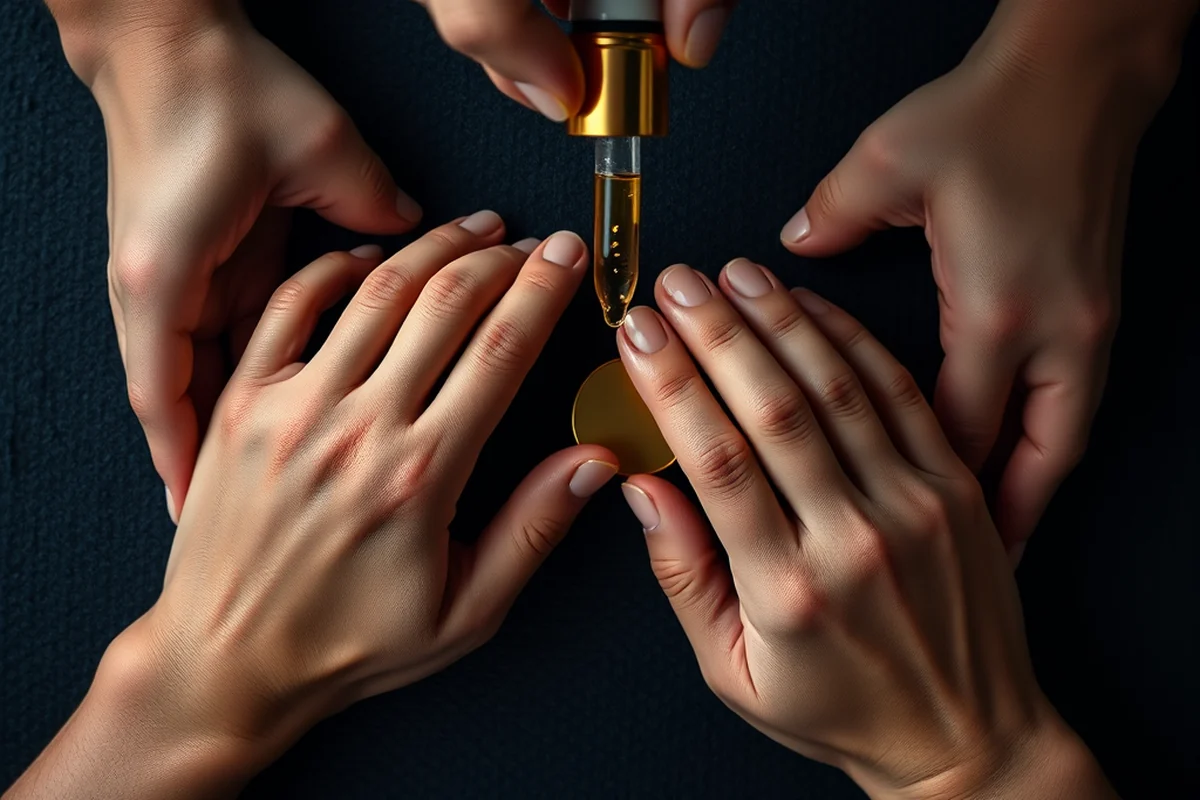
Applying a small amount of massage oil or cream before using a deep tissue massager can enhance the glide of the tool and reduce friction on the skin. This helps the device work more effectively and comfortably.
Part of our More massage machine best guide.
How Does a Deep Tissue Massager Work?
Deep tissue massagers operate using a combination of firm pressure and targeted movement. They mimic the techniques of a therapist who applies sustained pressure to break down adhesions in the muscle tissue. I used a model with a rolling head, and it felt like my therapist was working the same way, moving slowly and deliberately over the tight areas.
What I found most interesting is how these tools can vary in their approach. Some use a circular motion, others a back-and-forth rolling technique, and some even have a vibration function. Each of these methods affects the muscle in a slightly different way. For example, the rolling technique helps to loosen deep knots, while the vibration helps to relax the surface muscles.
I noticed that after using a deep tissue massager for about 10 minutes, my muscles felt looser and more flexible. It was like the tool was working to release the tension that had been building up over the day. This kind of immediate effect is what makes these devices so valuable for people who need quick relief.[3]
“It’s like having a personal therapist in your living room.”
Related: Massage envy supplies
The Benefits of Using a Deep Tissue Massager
One of the biggest benefits I’ve noticed from using a deep tissue massager is the reduction in muscle pain. I used to suffer from daily tension in my neck and shoulders, and after using the tool a few times a week, I noticed a significant improvement. The pain didn’t disappear completely, but it became much more manageable.
Another benefit is the improvement in circulation. I’ve read that deep tissue massage helps to increase blood flow to the muscles, which can help with recovery and reduce soreness. I didn’t expect it, but after a session, my muscles felt more energized and less stiff.
Lastly, the deep tissue massager has become a great tool for relaxation. It’s not just about the physical relief — it’s also about the mental calm that comes with knowing your body is being taken care of. I’ve used it after long days at work, and it’s been a game-changer for my stress levels.
While many people use deep tissue massagers on their back and shoulders, they can also be used on the legs, arms, and even the feet. Experimenting with different body areas can help you discover new places of tension and relief.
“I remember the first time I used a deep tissue massager on my neck — it felt like a warm, firm hand had just stepped…”— Affordable Facial Massage Tools editors
Related: Gua sha massage tool
What to Look for When Choosing a Deep Tissue Massager

When I first started looking for a deep tissue massager, I was overwhelmed by the options. There were so many models with different features that it was hard to know where to start. What I learned was that the key factors to consider were the type of attachment, the intensity levels, and the portability of the device.
The attachment type is crucial because it determines how the massager will work on your body. Some models have a single head, while others have multiple heads for different techniques. I found that a model with interchangeable heads was the most versatile, allowing me to switch between a firm pointed head for knots and a rounded head for broader areas.
Intensity levels are also important. I chose a model with adjustable pressure, which allowed me to customize the experience based on my needs. Some days I needed a gentle massage, while on others, I wanted a deep, firm press to really work out the tension.
Related: Massage machine ems
Best Practices for Using a Deep Tissue Massager
Using a deep tissue massager properly can make all the difference in the effectiveness of the tool. I found that consistency was key — using it a few times a week rather than once in a while gave me better results. It’s not just about one intense session; it’s about regular use that helps maintain muscle health.
I also learned that technique matters. I used to rush through the massage, but after learning the proper way, I noticed a big difference. The right technique involves moving the massager slowly and deliberately over the skin, applying pressure where needed, and not skipping over any tight spots.
Another thing I learned was to listen to my body. If a certain area felt too painful, I would adjust the pressure or move on. It’s important to be gentle and not force the tool into areas that are too sensitive.
Related: Massage electrode machine
How to Use a Deep Tissue Massager for Maximum Relief
I discovered that using a deep tissue massager on the most tense areas of my body gave the best results. I would usually focus on my neck, shoulders, and back, but I also started using it on my legs and feet. It was surprising how much tension I had in those areas that I hadn’t realized before.
I developed a routine where I would use the massager for about 10 minutes on each area. I would start with a lower intensity and gradually increase it as I became more comfortable. I also made sure to move the tool in a circular motion, which helped the muscles relax more effectively.
After a few weeks of following this routine, I noticed that my muscles were more flexible and less prone to tension. I felt like I was taking better care of my body, and it showed in how I looked and felt every day.
“It’s all about consistency and technique.”
Related: Massage tool dior
Who Should Use a Deep Tissue Massager?
I found that deep tissue massagers are especially helpful for people with chronic muscle tension or those who suffer from daily stress. I used it myself, and I know others who have found it to be a lifesaver. It’s not just for people with severe pain; it’s for anyone looking to improve their self-care and relaxation habits.
People with tight muscles from sitting at a desk all day will find these tools particularly useful. I’ve used them to relieve the tension that builds up in my back and shoulders from working long hours on the computer. It’s a quick and effective way to release the knots that form from sitting for too long.
Even if you don’t have chronic pain, using a deep tissue massager can be a great way to incorporate more relaxation into your daily routine. It’s a small investment that can pay off in the long run by helping you feel more relaxed and in control of your body.
🌸 Sensitive Skin
For those with sensitive skin, look for a deep tissue massager with a soft head and adjustable pressure.
💰 Budget
Opt for a basic model with a single head and low-intensity settings to get started at a lower cost.
🧘 Minimalist
Choose a compact, lightweight model that’s easy to store and use on the go.
🎯 Targeted
Look for a model with interchangeable heads for specific areas like the neck, shoulders, or legs.
🧴 Maintenance
Select a model that’s easy to clean and maintain for long-term use.
| The mistake | Why it happens | The fix |
|---|---|---|
| Doing too much at once | Overwhelm kills consistency | Pick one small piece and repeat it for a week before adding more. |
| Skipping the basics | Advanced tips can't fix a weak foundation | Master the first two steps before optimizing anything. |
What Is A Deep Tissue Massager
Common Questions
Can I use a deep tissue massager on my face?
How often should I use a deep tissue massager?
Is it safe to use a deep tissue massager on the neck?
What are the benefits of using a deep tissue massager daily?
References
- Appliances and Apparatuses of Heading 9019 (cbp.gov)
- Ct Center For Massage Therapy (cdn.jacksonms.gov)
- The Effects of Massage Guns on Performance and Recovery - PMC (pmc.ncbi.nlm.nih.gov)
Cite this guide
Affordable Facial Massage Tools (2026). What Is A Deep Tissue Massager. https://skinwithinreach.com/what-is-a-deep-tissue-massager/
Feel free to cite or share this guide.