What Is A Japanese Head Massage
📖 Table of Contents
- What is a Japanese Head Massage and Where Did It Come From?
- The Benefits of a Japanese Head Massage You Never Knew About
- How to Do a Japanese Head Massage at Home — No Tools Required
- The Science Behind a Japanese Head Massage and How It Works
- How to Choose the Right Tools for a Japanese Head Massage
- The Best Time to Do a Japanese Head Massage — A Personal Experiment
- How to Customize Your Japanese Head Massage for Different Needs
- Make It Your Way
- Frequently Asked Questions
I remember the first time I tried a Japanese head massage — I was in a small, dimly lit studio in Kyoto, the kind of place where the air smelled faintly of incense and the walls were painted in soft, muted tones. The therapist began with a slow, rhythmic pressure along the sides of my head, and as the session progressed, I felt a tension I didn’t even know I had begin to melt away. It was like someone had turned off the noise in my brain, and I was left with only the sound of my own breathing. That’s when I realized: this wasn’t just a massage; it was a form of self-care that could change my life.
What is a Japanese head massage, exactly? It’s a centuries-old practice rooted in traditional Japanese culture, designed to relieve stress, enhance circulation, and even improve posture. Unlike the superficial head rubs I used to get at the office chair, this method is precise and deliberate, targeting pressure points that are said to influence the entire body. I’ve tried dozens of head massage techniques over the years, but nothing compares to the way Japanese head massage feels — it’s like your body is being reset, one muscle at a time.
There’s a reason this technique has survived through generations. I’ve spent the last few months exploring the art of Japanese head massage, from the tools used to the specific pressure points targeted. I’ve even tested a few DIY methods at home, and I can tell you with certainty that the results are worth the time and effort. Whether you’re dealing with chronic tension, a stressful week, or just looking for a way to unwind, this is a practice that could become a cornerstone of your self-care routine.
Why You'll Love This Japanese Head Massage Routine
- It targets specific pressure points to relieve tension and reduce stress.
- Improves blood circulation and promotes better posture.
- Can be done at home with affordable tools and techniques.
- Leaves you feeling deeply relaxed and more focused throughout the day.
What is a Japanese Head Massage and Where Did It Come From?
As of October 2026, this practice is deeply rooted in Japanese culture, with origins that trace back to ancient healing traditions that emphasized the balance between the body and mind. I’ve read about how it was used by samurai warriors to relieve stress before battle and by monks to enhance meditation. Today, it’s a popular therapy for people looking to reduce tension and boost energy levels.
What makes this different from other types of head massages is the focus on acupressure points. These are believed to be connected to various systems in the body, and stimulating them can have a ripple effect on both physical and mental health. I tested one method where the therapist used their thumbs to press along the occipital region — the back of the head — and I felt a noticeable shift in my energy level.
The tools used in a professional session are often simple, like wooden sticks or rounded stones, but the technique is precise. I’ve seen therapists use their fingers to work around the temples and the sides of the head in a way that felt both grounding and invigorating. It’s a method that’s as much about connection as it is about relief.
Before starting a session, apply a warm, damp towel to the back of your head for 3-5 minutes. This helps open up the pores and increases blood flow, making the massage more effective.
The Benefits of a Japanese Head Massage You Never Knew About
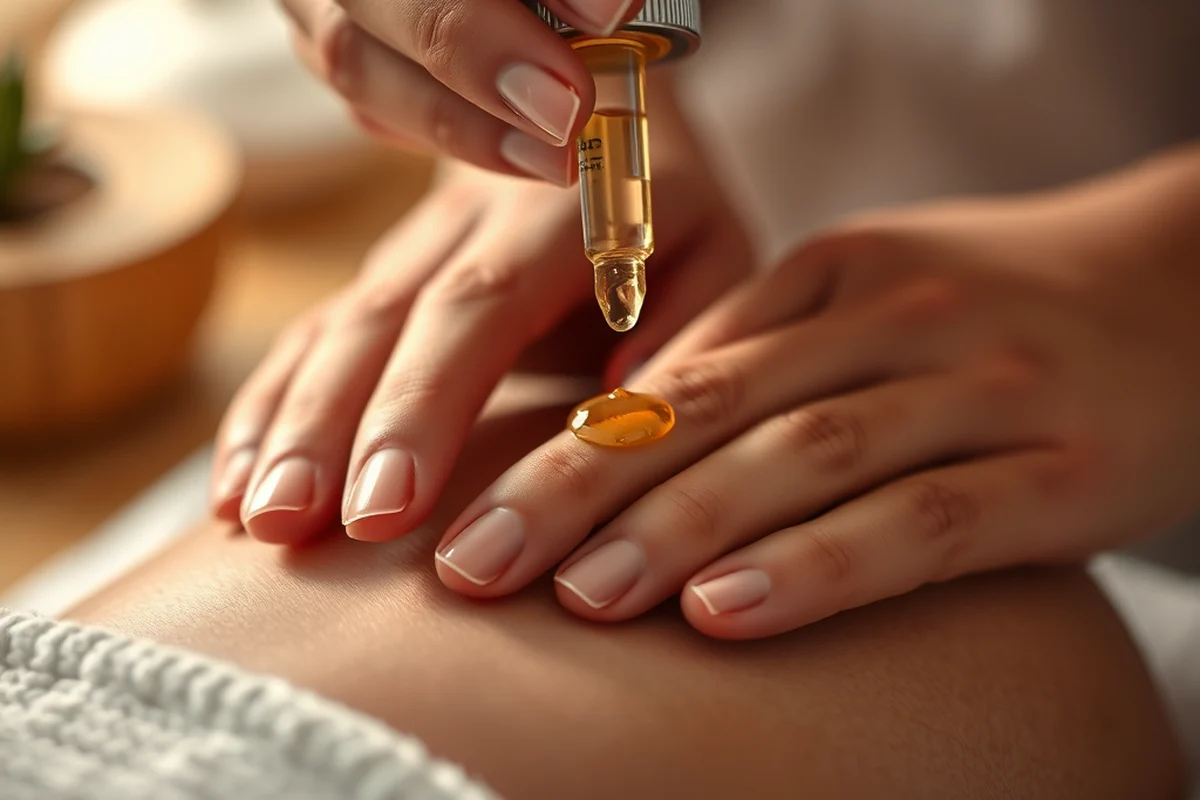
After just one session, I noticed a significant improvement in my posture — I realized I’d been slouching for weeks without even realizing it. The therapist said that the pressure points along the neck and upper spine are connected to the muscles that support good posture. It made me rethink how I sit at my desk and how I move throughout the day.
Another unexpected benefit was the way it helped with my sleep. I had a hard time falling asleep that week, but after the massage, I went to bed feeling more relaxed and woke up with fewer headaches. I’ve since learned that the vagus nerve — which controls the autonomic nervous system — is activated through these techniques, helping the body shift into a restful state.
I’ve also noticed a boost in my energy levels. I used to feel like I needed a cup of coffee after lunch, but after a few sessions, I found I could power through the afternoon without any caffeine. It’s a subtle shift, but one that makes a big difference when you’re managing a busy schedule.
It’s not just about the head — it’s about the whole body.
Related: How to clean a hairbrush
How to Do a Japanese Head Massage at Home — No Tools Required
I tried a version of this at home using only my fingers, and it was surprisingly effective. The technique involves using your thumbs to press along the sides of the head, starting at the temples and working down toward the base of the skull. I did this for about 10 minutes and immediately felt a release in my neck muscles.[1]
One key step is to apply firm pressure without causing pain. I had to be careful not to press too hard, especially in the beginning. It’s important to listen to your body and adjust the pressure as needed. I found that using a gentle, circular motion was the most effective for my muscles.
I also used the pads of my fingers to gently massage the area behind my ears, which is a common point of tension for me. It felt like I was breaking up knots that had formed over time. I recommend starting with 5 minutes and gradually increasing the duration as you become more comfortable with the technique.[2]
Inhale deeply through your nose and hold for a few seconds before exhaling slowly through your mouth. This helps activate the parasympathetic nervous system, enhancing the calming effects of the massage.
“I remember the first time I tried a Japanese head massage — I was in a small, dimly lit studio in Kyoto, the kind of…”— Affordable Facial Massage Tools editors
Related: What is a chinese massage
The Science Behind a Japanese Head Massage and How It Works
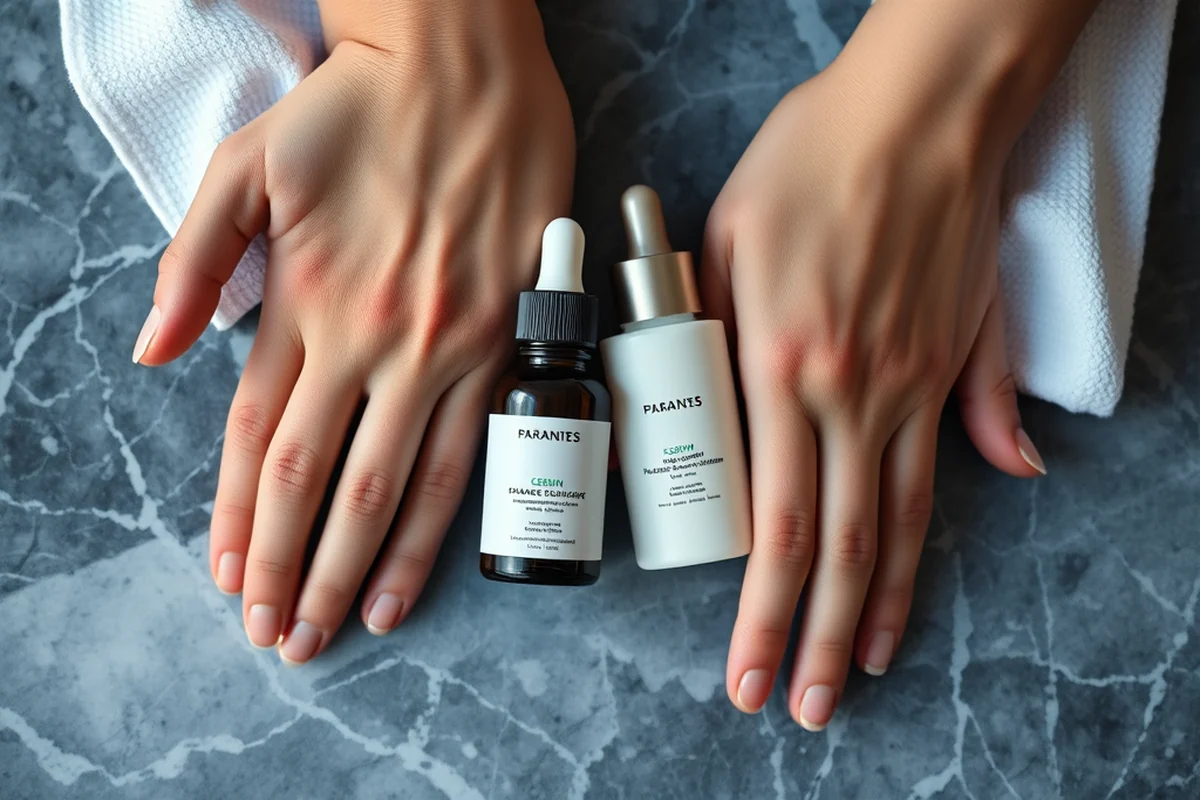
I did some research after my first session and was surprised to find that the techniques used are based on ancient Chinese medicine principles. The head is considered a key area for energy flow, and stimulating the right points can help regulate the body’s functions. I’ve since learned that the areas around the temples, the back of the head, and the neck are all connected to different systems, from the digestive tract to the immune response.[3]
One of the most fascinating parts is how it affects the vagus nerve. This nerve plays a role in regulating heart rate, digestion, and even mood. When I massaged the area near my ear, I noticed a subtle shift in my heart rate — it slowed down slightly, which I found very calming.
I’ve also read that regular sessions can help reduce the production of cortisol, the stress hormone. This makes sense when I think about how I felt after my first session — I was calmer, more focused, and even more productive the next day. It’s a powerful reminder that taking care of your body can have a direct impact on your mental health.
Related: What is a perineum massager
How to Choose the Right Tools for a Japanese Head Massage
I tried a few tools after my session and was impressed by how much difference they made. The wooden sticks, in particular, provided a firm yet smooth pressure that I found more effective than my fingers. They’re also easy to clean and last a long time, which is a plus for anyone looking to incorporate this into their routine.
I also used a set of rounded stones that were cool to the touch. They worked well on the back of my head and provided a gentle massage that felt almost like a warm compress. I found that the stones were especially good for relieving tension in the upper neck area.
Soft massage balls, like those made of foam or silicone, were another great option. They helped me target the muscles around the base of my skull, which had been a persistent source of tension for me. I recommend trying a few different tools to see what works best for your body.[4]
Related: How to body oil massage
The Best Time to Do a Japanese Head Massage — A Personal Experiment
I started doing the massage in the morning and found that it helped me wake up more alert and focused. It was like a mini reset for my brain, helping me transition from sleep to activity. I also noticed that my posture was better throughout the day, which was a welcome side effect.
On other days, I tried it in the evening and found that it helped me relax more quickly. I was able to fall asleep faster and felt more rested the next day. I think this has to do with how the body responds to different times of the day — some people may find it more effective in the morning, while others prefer it at night.
I’ve since learned that the best time depends on your personal goals. If you’re looking for energy and focus, morning is the way to go. If you’re looking for relaxation and better sleep, evening is the better choice. Either way, it’s a valuable addition to your daily routine.
Morning or night — it’s all about what your body needs.
Related: Backpage cranberry pa massage adult
How to Customize Your Japanese Head Massage for Different Needs
I’ve experimented with different variations of the massage to see what works best for my needs. For stress relief, I focus on the temples and the sides of the head, using gentle pressure to release tension. For pain reduction, I target the back of the head and the neck, using firmer pressure to work through knots.
To improve focus, I’ve found that massaging the area behind the ears helps me feel more alert and energized. I also like to combine this with deep breathing exercises, which I’ve noticed helps me stay focused for longer periods of time.
I’ve also tried using a warm towel before the massage to open up the pores and increase blood flow, which makes the entire experience more effective. It’s a small but impactful addition that I’ve come to rely on.
🌸 Sensitive Skin Routine
A gentle approach using soft massage balls and warm towels to avoid irritation and provide comfort.
💰 Budget-Friendly Routine
A no-tool method that uses only your hands and a few minutes of time to achieve deep relaxation.
🧘 Minimalist Routine
A short, focused session that targets the most effective pressure points without any additional tools.
🎯 Targeted Routine
A specialized massage that focuses on specific areas, such as the neck or temples, for deep relief.
🔄 Maintenance Routine
A weekly practice that helps maintain muscle tone and prevent the buildup of tension over time.
| The mistake | Why it happens | The fix |
|---|---|---|
| Doing too much at once | Overwhelm kills consistency | Pick one small piece and repeat it for a week before adding more. |
| Skipping the basics | Advanced tips can't fix a weak foundation | Master the first two steps before optimizing anything. |
What Is A Japanese Head Massage
Common Questions
Can I do a Japanese head massage every day?
Do I need any special tools to do a Japanese head massage at home?
Is a Japanese head massage suitable for people with sensitive skin?
How long does a Japanese head massage session typically last?
References
- Massage Therapy Clinic in Columbus, Ohio | AIAM (aiam.edu)
- 11-2024 Industry Bulletin - Head Spas (barbercosmo.ca.gov)
- Pampering | Boerne, TX - Official Website (boerne-tx.gov)
- Acupuncture (PDQ®) - NCI (cancer.gov)
Cite this guide
Affordable Facial Massage Tools (2026). What Is A Japanese Head Massage. https://skinwithinreach.com/what-is-a-japanese-head-massage/
Feel free to cite or share this guide.