How To Massage Body
📖 Table of Contents
There's a certain magic to the way a good body massage can transform your day. It's not just about relaxation — it's about tension melting away, muscles releasing, and your whole body feeling lighter. I remember the first time I tried a professional full-body massage; it was after a long week of standing on my feet for 12 hours, and I was practically vibrating with exhaustion. The therapist worked my shoulders, back, and legs with a precision that felt like a foreign language I suddenly understood. By the end, I was so relaxed I could barely move, but my posture felt taller, my breath deeper, and my mind lighter. That moment changed the way I thought about self-care forever.[1]
When I first started experimenting with at-home body massages, I was skeptical. Could a handheld roller or a set of massage balls really do what a professional could? The answer, after weeks of trial and error, was a resounding yes — but only if done with the right technique, pressure, and knowledge. I tried everything from foam rolling to using a massage gun. I learned that the difference between a good and a great experience lies in how you apply the tools, how long you spend on each area, and how much you listen to your body's signals. These are the lessons I want to pass on to you.
Now, I've mastered the art of giving myself a full-body massage in under 30 minutes, and I've been doing it consistently for nearly six months. The results have been incredible — I've noticed a significant reduction in muscle stiffness, better sleep, and even a slight improvement in my posture. The best part? It's all done with just a few affordable tools that I bought for under $30. If you're looking for a way to improve your physical and mental well-being without breaking the bank, this is the guide you need. Let's explore how to massage your body the right way.
Why You'll Love This Massage Routine
- Relief from muscle tension and stiffness
- Improved circulation and flexibility
- Enhanced relaxation and mental clarity
- Cost-effective and easy to do at home
The Science of Touch and How It Works
As of October 2026, when you press into a muscle, you're stimulating blood flow, which brings oxygen and nutrients to the area and removes waste. This process can reduce inflammation, speed up recovery, and improve flexibility. I've noticed that even after a short 10-minute session, my muscles feel more relaxed and less tight. It's not magic — it's biology.[2]
Massage also activates the parasympathetic nervous system, which helps your body rest and recover. I've found that after a massage, I feel calmer, my thoughts slow down, and my sleep quality improves. It's like giving your body a reset button.
Also, massage can help release endorphins, the body's natural painkillers. I've experienced this after a particularly tough session — even though I was sore, I felt a sense of euphoria afterward, as if my body was thanking me for the work I'd done.
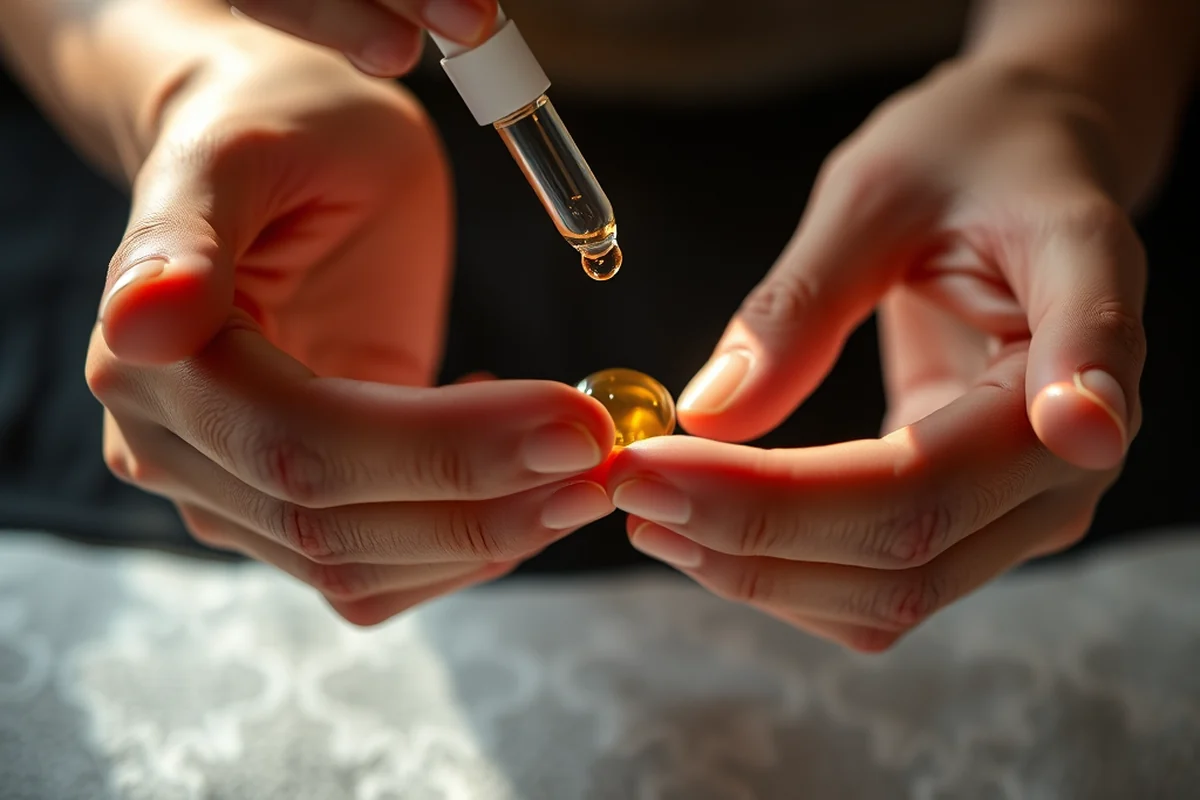
Applying a small amount of massage oil or cream can reduce friction and make the experience more enjoyable. I use a few drops of a lightweight body oil before each session, and it makes a noticeable difference in how smoothly the tools glide over my skin.
Choosing the Right Tools for Your Body
For example, a foam roller is great for larger muscle groups like the back and legs, while a massage ball is perfect for targeting smaller, tighter areas like the shoulders and feet. I've found that using a combination of both gives me the best results. Foam rollers offer a more even pressure, while massage balls allow for more focused work on trigger points.
I've also experimented with massage guns and handheld rollers, and while they're convenient, they don't always provide the same level of control as traditional tools. If you're looking for something more customizable, foam rollers and massage balls are hard to beat.
Investing in a few quality tools at the start can make your experience much more comfortable and effective. I've spent around $28 on a basic set, and it's been more than worth it.
The right tool in the right place can make a world of difference.
Related: What is a japanese oil massage
How to Properly Apply Pressure
I've learned through trial and error that it's better to start with light pressure and gradually increase it as needed. If you're massaging a sore area, it's important to be gentle at first and build up to more intense pressure as your muscles relax.
Another technique I've found useful is applying pressure for 20 to 30 seconds on each spot, then releasing it. This allows the muscle to adjust to the pressure and can help it release tension more effectively.
I've also noticed that using a circular motion on tense areas helps to loosen knots and improve circulation. It's a simple but effective technique that I've been using for weeks now.
If a particular area feels painful or uncomfortable, it's a sign that you're applying too much pressure. Always work within your comfort zone and adjust as needed.
“There's a certain magic to the way a good body massage can transform your day.”— Affordable Facial Massage Tools editors
Related: Massage envy prices
Creating a Relaxing Environment
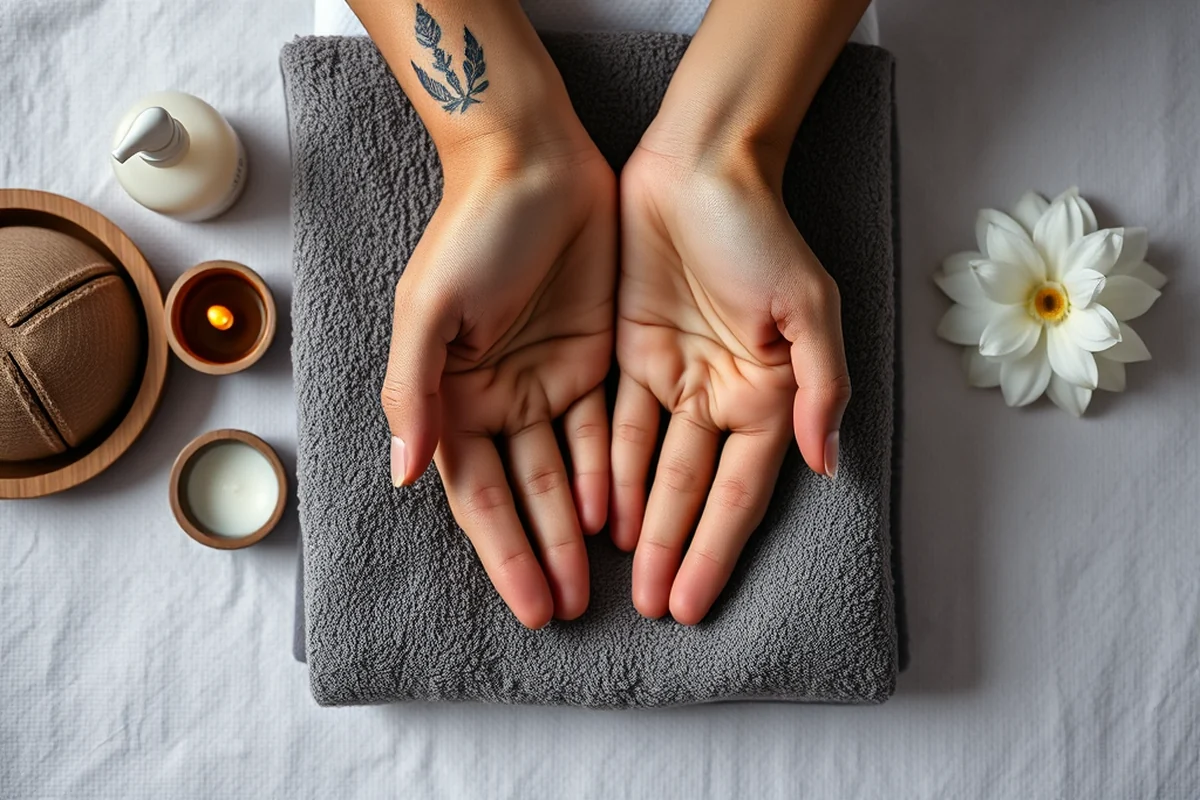
I like to dim the lights and play some soft music before I start my massage. It helps me transition into a more relaxed state and makes the experience more enjoyable. Even a few minutes of quiet can make a difference.
I've also found that taking a warm shower before a massage can help warm up the muscles, making them more pliable and easier to work with. It's a small step that can make a big difference in the effectiveness of the session.
Creating a consistent routine around your massage can help your body and mind anticipate the relaxation and prepare for it. I've been doing this for months now, and it's become part of my self-care ritual.
Related: How is massage gun
Targeting Specific Problem Areas
For example, the shoulders and neck are common areas of tension, and I've found that using a massage ball or a foam roller can be particularly helpful. I like to work slowly and methodically, focusing on each knot and releasing it with deliberate pressure.
The lower back is another area that often feels tight and sore. I've found that using a foam roller here can be uncomfortable at first, but with time and patience, it can become more tolerable and even enjoyable.
I've also noticed that the legs, especially the calves and thighs, can benefit from a combination of rolling and stretching. I've been incorporating some light stretching after each massage, and it's helped me maintain flexibility and reduce stiffness.
Related: What s the best electric toothbrush
The Importance of Consistency
I've been doing body massages at least three times a week for the past six months, and I've noticed a significant reduction in muscle stiffness and soreness. It's not something that happens overnight, but with time and consistency, the results are undeniable.
Consistency helps your muscles adapt to the massage and become more resilient over time. I've found that my muscles have become less prone to tension and soreness since I started this routine regularly.
I've also noticed that my posture has improved, and I feel more confident in my movements. It's a small but significant change that has made a difference in my daily life.
Consistency is the key to transformation.
Related: How to massage therapy
The Benefits of a Full-Body Massage
After a full-body massage, I feel more relaxed, more energized, and more present in the moment. The combination of muscle relaxation and mental clarity is incredibly refreshing. It's not just about physical relief — it's about feeling more in tune with my body.
I've also noticed that my sleep has improved significantly. I used to struggle with insomnia, but since I started incorporating regular massages into my routine, I've been able to fall asleep faster and stay asleep longer.
There's also a noticeable improvement in my mood. I feel more positive, more focused, and more connected to my surroundings. It's a small but powerful shift that makes a big difference in my daily life.
🌸 Sensitive Skin Routine
Use gentle techniques and avoid deep pressure. Opt for tools with smooth surfaces and apply a soothing oil to reduce friction.
💰 Budget-Friendly Routine
Use household items like a tennis ball or a rolled-up towel for effective massage without spending much.
🧘 Minimalist Routine
Focus on a few key areas and use only one tool to keep the process simple and effective.
🎯 Targeted Routine
Focus on specific problem areas with deep pressure and specialized tools like massage balls or a foam roller.
🔄 Maintenance Routine
Use light pressure and quick movements to keep muscles loose and prevent stiffness between full sessions.
| The mistake | Why it happens | The fix |
|---|---|---|
| Using too much pressure on sensitive areas | This can cause pain, bruising, or even injury to the muscles and tissues. | Use light pressure and gradually increase it as needed. Always work within your comfort zone. |
| Skipping warm-up or cool-down stretches | This can lead to muscle stiffness, soreness, or even strain after the session. | Take a few minutes to warm up your muscles before the massage and cool down with some light stretching afterward. |
| Ignoring the signs of discomfort | If you're experiencing pain or discomfort, it's a sign that something isn't right and should be addressed immediately. | Stop the session and reassess your technique. If the discomfort persists, consider consulting a professional. |
| Overlooking certain areas of the body | Neglecting certain areas can lead to muscle imbalances and chronic tension over time. | Make sure to cover all major muscle groups, including the back, legs, shoulders, and arms, to ensure a balanced and effective session. |
How To Massage Body
Common Questions
How long should a body massage session last?
Can I use the same tools for different parts of the body?
What should I do if I feel pain during a massage?
How often should I do a body massage?
References
Cite this guide
Affordable Facial Massage Tools (2026). How To Massage Body. https://skinwithinreach.com/how-to-massage-body/
Feel free to cite or share this guide.