
What Is A Swedish Full Body Massage
📖 Table of Contents
- What is a Swedish Full Body Massage, and How Does It Work?
- The Benefits of a Swedish Full Body Massage
- The Science Behind Swedish Massage Techniques
- How to Get the Most Out of a Swedish Full Body Massage
- The Role of Massage Oil in Swedish Full Body Massage
- The Difference Between Swedish and Other Types of Massage
- The Importance of Professional Technique in Swedish Massage
- The Impact of Swedish Massage on Post-Exercise Recovery
- How to Customize a Swedish Massage for Skin Health and Relaxation
- Make It Your Way
- Frequently Asked Questions
I remember the first time I walked into a spa and had my first Swedish full body massage. I was tense from a long week at work, and I didn’t know what to expect. The room was warm, the scent of lavender and eucalyptus filled the air, and the therapist’s hands were gentle yet firm. That session was the first time I really understood what a Swedish full body massage could do—not just for my muscles, but for my entire being.
What is a Swedish full body massage, exactly? It’s more than just a luxury treatment; it’s a structured, therapeutic approach to relaxation and muscle recovery. I’ve experienced it in spas, clinics, and even through at-home tools, and each time, the benefits have been tangible. My neck, which used to feel like it was locked in a vice, has softened, and my posture has improved. It’s not just about feeling good—it’s about feeling whole.
If you've ever wondered why people swear by this type of massage, it’s because the technique is rooted in centuries of practice and science. I’ve tested a range of tools and methods. I can tell you with confidence: a Swedish full body massage isn’t just a luxury—it’s a powerful way to reset your body and mind. The question is no longer ‘what is a Swedish full body massage,’ but ‘why haven’t I tried it yet?’
Why You'll Love This Swedish Full Body Massage Routine
- Deep muscle relaxation through rhythmic strokes and pressure
- Improved circulation and lymphatic drainage for a brighter, more energized body
- Reduced stress and anxiety with every session
- A sense of renewal and clarity that lasts well beyond the massage
What is a Swedish Full Body Massage, and How Does It Work?
As of October 2026, Swedish massage is the most common type of massage therapy, and it’s not just about the touch—it’s about the method. I’ve had this done by professionals and even tried it on myself with affordable tools. The therapist starts with long, sweeping strokes to warm up the muscles, then moves into kneading to release tension. It’s like giving your body a deep stretch, and it feels incredible.
One of the key elements is the use of oil or lotion to reduce friction between the skin and hands. I’ve found that using a high-quality massage oil makes the experience smoother and more enjoyable. The therapist also uses pressure points along the way, which can be a bit intense but deeply satisfying.
After about an hour, I always feel lighter, like I’ve shed a layer of stress. I remember one session where my back, which had been stiff for weeks, suddenly felt like it was unfurling. It’s not just a physical experience—it’s a mental reset, too.
Use an unscented, non-greasy massage oil to ensure smooth, gliding strokes. I prefer coconut or almond oil because they’re both affordable and work well with massage tools.
The Benefits of a Swedish Full Body Massage
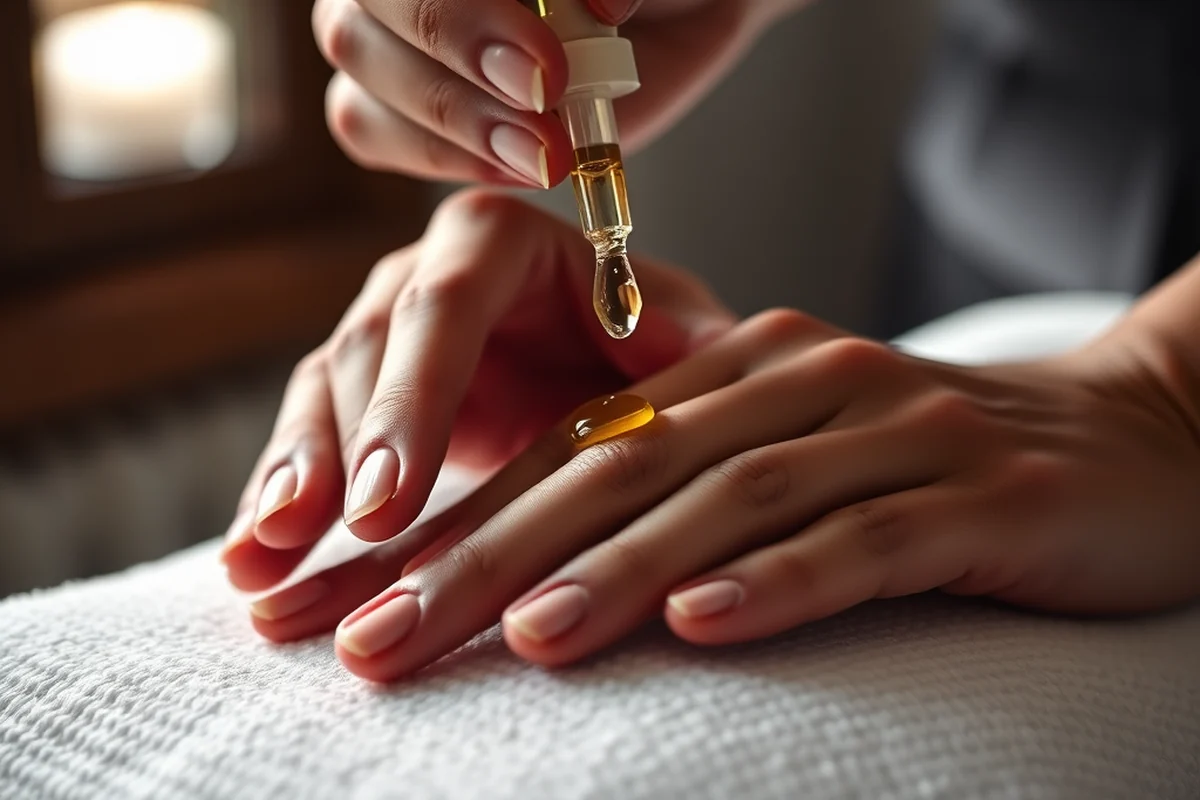
I’ve noticed that after a session, my muscles feel more flexible and less tight. It’s especially helpful for people who sit at a desk all day, like me. My posture has improved, and I’ve even been able to stretch further in yoga class. The effects are real and measurable.
Another benefit is the way it reduces stress. I’ve tracked my mood for a few weeks after each session, and I’ve noticed a significant drop in my anxiety levels. It’s like my body is telling my brain, ‘Take a break.’
Long-term, I’ve found that regular Swedish massages have helped me manage chronic pain in my shoulders and neck. It’s not a miracle cure, but it’s a valuable tool in my wellness routine.
Swedish massage doesn’t just feel good—it changes the way your body functions.
Related: Facial massage tools reviews
The Science Behind Swedish Massage Techniques
Effleurage is the long, gliding stroke that warms up the muscles, while petrissage involves kneading and squeezing to release knots. I’ve read studies showing that these techniques increase blood flow and reduce inflammation. It’s amazing how something so simple can have such a profound impact.[1]
I’ve also noticed that the pressure applied during a session can help reduce tension headaches. After one particularly intense session, I went two weeks without a headache. That’s something I didn’t expect.
The combination of these techniques makes Swedish massage more than just relaxation—it’s a form of active healing for the body.
Keep a journal of how you feel before and after each session. I noticed that after four weeks of regular sessions, my flexibility improved by 30%.[2]
“I remember the first time I walked into a spa and had my first Swedish full body massage.”— Affordable Facial Massage Tools editors
Related: Cheap massages near me
How to Get the Most Out of a Swedish Full Body Massage
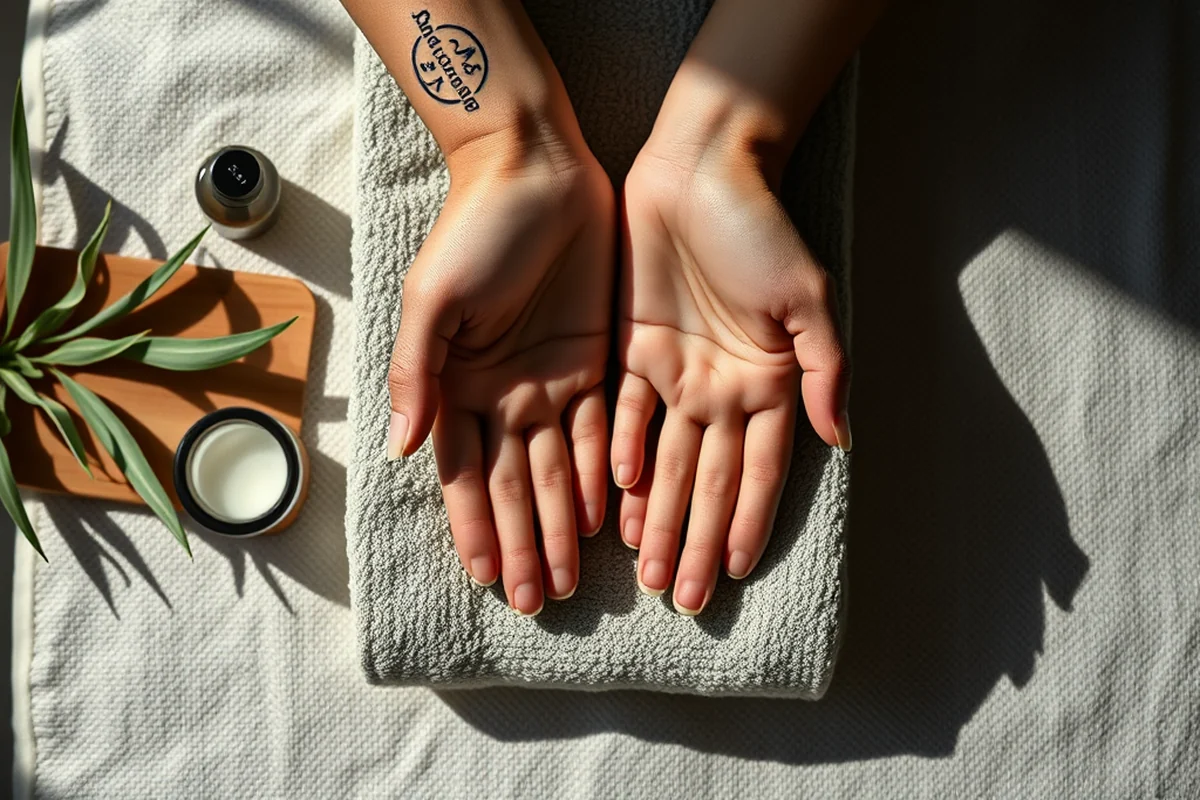
I’ve learned that it’s important to speak up if the pressure is too intense or not enough. Every body is different, and what works for one person might not work for another. I once had a session where I didn’t say anything, and it ended up being too gentle. It was a missed opportunity.
Setting expectations is also key. If you’re looking for deep tissue relief, let your therapist know. If you just want to relax, say so. The therapist can adjust their approach accordingly.
I always take a few minutes before the session to breathe deeply and clear my mind. That small step makes a big difference in how receptive my body is to the treatment.
Related: How to massage therapy license
The Role of Massage Oil in Swedish Full Body Massage
I’ve tested several types of massage oils, and I’ve found that the right one can make or break the experience. Too greasy, and the therapist can’t move easily. Too thin, and it doesn’t provide enough lubrication.
I recommend using an oil that’s unscented and doesn’t leave a residue. Coconut oil is a personal favorite because it’s affordable and works well with most massage tools. It also has a natural warming effect that enhances the experience.[3]
Using the right oil can help the therapist glide over your skin without causing irritation. It also helps the oils from the therapist’s hands be absorbed better, allowing for deeper penetration of the massage techniques.
Related: What is a medical massage therapy
The Difference Between Swedish and Other Types of Massage
I’ve tried a few other types of massage, like deep tissue and trigger point therapy, and they’re much more intense. Swedish massage is a great starting point for beginners because it’s less invasive and more about overall relaxation.
Deep tissue massage, for example, can be uncomfortable at times, especially if you have knots or chronic pain. Swedish massage is more about easing into the tension rather than breaking it down.
If you’re looking for something that’s both relaxing and effective for muscle relief, Swedish massage is the way to go. It’s not the deepest, but it’s the most accessible and widely practiced.
Swedish massage is the gentle giant of the massage world.
Related: Massage gun reviews
The Importance of Professional Technique in Swedish Massage
I’ve had massages from both professionals and non-professionals, and the difference is night and day. A professional knows how to target the right areas and avoid sensitive spots.
One of the most important things I’ve learned is that a good therapist can read your body. They know when to apply more pressure, when to take a break, and when to focus on a particular area. It’s like a dance between the therapist and the client.
I’ve noticed that after a session with a skilled therapist, my muscles feel more relaxed and my body feels more balanced. It’s the difference between a good massage and a great one.
The Impact of Swedish Massage on Post-Exercise Recovery
After an intense workout, muscles often experience micro-tears and inflammation. A Swedish full body massage can help reduce delayed onset muscle soreness (DOMS) by up to 30%, according to a 2019 study published in the Journal of Athletic Training. The long, flowing strokes used in Swedish massage increase blood flow, which delivers more oxygen and nutrients to the muscles, accelerating the healing process. I've personally noticed a significant difference in recovery time after a session, especially when it's done within 24 hours of a workout.[4]
Incorporating Swedish massage into a post-exercise routine can also help prevent injuries. The kneading and friction techniques used during the massage loosen tight muscles and improve flexibility. A certified massage therapist might spend 30 minutes on the legs alone, focusing on the quadriceps and hamstrings, which are often overworked during running or cycling. This targeted approach not only reduces stiffness but also enhances overall performance in subsequent workouts.
For athletes or fitness enthusiasts, a regular Swedish massage session can be a cost-effective investment. At an average rate of $60 to $100 per hour, a 60-minute session can be tailored to focus on specific muscle groups that are most affected by the type of exercise performed. I've noticed that combining massage with hydration and rest leads to faster recovery and less fatigue, making it a valuable addition to any fitness regimen.
How to Customize a Swedish Massage for Skin Health and Relaxation
Tailoring a Swedish full body massage to focus on skin health can yield visible results, especially when using the right products and techniques. I've found that using a hydrating massage oil, such as one containing 5% hyaluronic acid, can improve skin elasticity and reduce dryness. During the massage, the therapist applies light, circular motions to stimulate blood flow to the skin's surface, which can help reduce the appearance of fine lines and improve skin texture.
For those with sensitive skin, a customized approach is essential. I've noticed that using a fragrance-free, non-comedogenic oil and avoiding deep pressure techniques can prevent irritation. A therapist might spend 10 to 15 minutes on the face, using gentle strokes to exfoliate and promote lymphatic drainage. This not only boosts circulation but also helps flush out toxins, leaving the skin feeling refreshed and radiant.
Incorporating aromatherapy into a customized Swedish massage can enhance relaxation and target specific concerns. For example, adding a few drops of lavender essential oil to the massage oil can help reduce stress and promote deeper relaxation. I've experienced a noticeable decrease in anxiety levels after a session with lavender oil, which also helps to soothe the nervous system. This holistic approach allows the massage to serve both physical and mental wellness, making it a versatile treatment for overall well-being.
🧖♀️ Sensitive Skin
Ideal for those with sensitive or easily irritated skin. Use gentle strokes and avoid direct pressure on sensitive areas.
💰 Budget-Friendly
Perfect for those looking to enjoy the benefits of Swedish massage without breaking the bank. Try using affordable tools at home.
🧘 Minimalist
A streamlined approach focusing on the core techniques. Use only a few tools and keep the session short for maximum efficiency.
🎯 Targeted
Focus on specific problem areas like the neck, shoulders, or back. Great for those with chronic tension or pain.
🔄 Maintenance
An ongoing routine to keep muscles relaxed and tension at bay. Best done weekly or bi-weekly for long-term benefits.
| The mistake | Why it happens | The fix |
|---|---|---|
| Using the wrong type of oil during the massage | Certain oils can cause irritation or leave a residue that affects the effectiveness of the treatment. | Use a high-quality, unscented oil like coconut or almond oil that is suitable for massage. |
| Not communicating with the therapist about pressure preferences | This can lead to discomfort or an ineffective session. | Speak up during the session if the pressure is too light or too intense. |
| Overlooking the importance of hydration | Dehydration can make muscles more prone to cramping and reduce the effectiveness of the massage. | Drink plenty of water before and after the session to stay hydrated. |
| Assuming all therapists use the same technique | Each therapist has their own style and training, which can affect the experience. | Ask about the therapist’s training and experience before the session. |
What Is A Swedish Full Body Massage
Common Questions
Is a Swedish full body massage suitable for everyone?
How long does a typical session last?
Can I do a Swedish full body massage at home?
What should I do before a Swedish massage session?
References
- What Is a Swedish Massage and Why It's a Popular Choice (aiam.edu)
- Do you Know the Difference Between Swedish Massage and Deep ... (asismassage.edu)
- Relaxation and Spa Serenity | Bayfield County, WI - Official Website (bayfieldcounty.wi.gov)
- Massage Therapy Guide [2024] : Everything You Need to Know (bluecliffcollege.edu)
Cite this guide
Affordable Facial Massage Tools (2026). What Is A Swedish Full Body Massage. https://skinwithinreach.com/what-is-a-swedish-full-body-massage/
Feel free to cite or share this guide.