How To Massage To Head
📖 Table of Contents
- What You Need Before You Start
- How To Massage Your Scalp For Maximum Relaxation
- How To Use a Foam Roller For Neck and Scalp Tension
- How To Massage Your Head Without Any Tools
- How To Target Specific Areas of the Head for Relief
- How To Incorporate Head Massages Into Your Daily Routine
- How To Use a Head Massager for a Deep Tissue Massage
- Make It Your Way
- Frequently Asked Questions
I remember the first time I really understood the power of a head massage — I was on a train to Tokyo, exhausted from a long day at work. A kind stranger offered me a quick, five-minute massage using nothing but her fingers. That moment, simple and unexpected, changed how I think about self-care. It wasn’t just about relaxation; it was about the way the pressure felt along the scalp, the way the tension melted away from my neck. Since then, I’ve made it a habit to incorporate head massages into my daily routine. I’ve learned that it's not just about feeling good — it’s about how it helps with everything from stress relief to improving circulation.
The first time I tried a head massage with a tool, it was a game-changer. I bought a small, affordable roller made of jade, and it felt like magic. I used it every morning on my forehead, temples, and the back of my head, and it made a noticeable difference in how I felt. My eyes looked more awake, my posture improved, and I even noticed fewer headaches. That’s when I realized that the right tools and techniques can make all the difference in how effective a head massage is — and how much you can enjoy it.
Now, I’ve spent years experimenting with different methods, tools, and techniques for massaging the head. From using a foam roller to the back of the neck to learning how to apply pressure in the right places with just my fingers, I’ve compiled a guide that’s both practical and effective. If you're wondering how to massage your head, whether for relaxation, tension relief, or even to improve your hair’s health, this is the kind of guide that will give you real results — not just feel-good advice.
Why You'll Love This Guide To Massaging The Head
- You’ll feel immediate relief in your scalp and neck tension.
- Improved circulation can help your skin appear more radiant.
- It’s a fast, easy way to add self-care into your routine.
- You can do it anywhere, with or without tools.
What You Need Before You Start
As of October 2026, the most important thing you need is a calm environment. I recommend finding a quiet, comfortable space where you can lie down or sit without any distractions. I often do mine on my couch, with a pillow supporting my head, or in bed with a couple of pillows behind my neck. I’ve even done it on a plane with my eyes closed — just make sure the surface is firm and not too bumpy.
While you can do a head massage with just your hands, I’ve found that using a few basic tools can significantly improve the experience. A jade roller, a foam roller, and a small head massager are all affordable and effective. I bought a jade roller for about $28 and have used it every morning for over a year — it’s become an essential part of my skincare routine.[1]
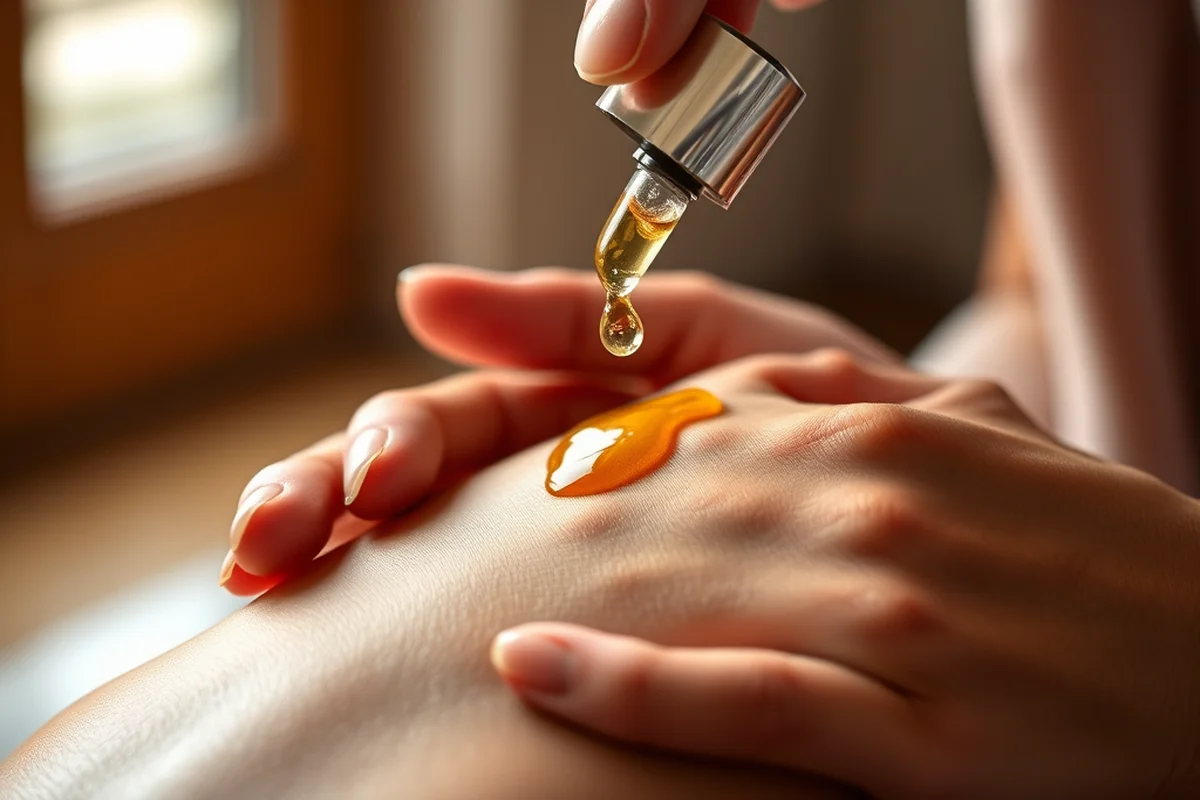
I also recommend using a light oil or serum to reduce friction and enhance the massage. I use a few drops of a rosehip oil on my scalp and temples before using the roller, and it makes the experience more soothing and effective. It’s not necessary, but I’ve noticed a difference in how the massage feels when I use it.[2]
When choosing a roller, go for something that feels comfortable in your hands and is smooth enough to glide across the skin. I prefer jade because it’s cool and has a natural weight that helps with pressure. Avoid anything too rough or too soft — it should feel balanced.
How To Massage Your Scalp For Maximum Relaxation
I start by using a jade roller on my forehead. I glide it from the center of my forehead to the temples, then back again, repeating this motion 10 times on each side. I do this slowly and intentionally, making sure the roller makes full contact with the skin. I always start with the forehead and then move to the back of my head, where I often feel the most tension.
For the back of my head, I use the same roller but with more pressure. I place the roller at the base of my skull and roll it up toward the top of my head, repeating this motion about 15 times on each side. I’ve noticed that this helps relieve the tightness I often feel after long hours of sitting at my desk.
I also like to use my fingers to gently press on the sides of my head and temples. I press and release slowly, making sure to cover all areas. This helps increase blood flow and makes my skin feel more awake and refreshed. I do this for about five minutes before finishing with the roller.
Relaxation starts with the right pressure — not too hard, not too light.
Related: How to massage with gun
How To Use a Foam Roller For Neck and Scalp Tension
I use a foam roller for the back of my neck and the base of my skull. I start by lying down with my neck supported by a pillow and the foam roller under my head and upper neck. I gently roll it up and down, focusing on the areas that feel tightest. I’ve found that this helps relieve the tension I get from sitting for long hours.
I recommend using a medium-density foam roller — not too soft and not too firm. I’ve used both high-density and soft ones, and the medium one gives just the right amount of pressure. I also keep a towel under my head to protect the foam roller from getting dirty and to make it easier to clean later.
I usually spend about 5 minutes on the foam roller, moving it slowly and intentionally. I stop and rest if I feel any pain or discomfort. It’s important to avoid rolling over the bones in the neck or spine — that can be uncomfortable and even harmful if done incorrectly.
Placing a towel under your head when using a foam roller helps keep the surface clean and prevents the roller from getting dirty. It also provides an extra layer of comfort and helps distribute the pressure more evenly.
“I remember the first time I really understood the power of a head massage — I was on a train to Tokyo, exhausted from a…”— Affordable Facial Massage Tools editors
Related: The best electric toothbrush 2026
How To Massage Your Head Without Any Tools

I’ve done head massages with just my hands, and it’s actually quite effective. I start by pressing my fingers into my scalp and move them in small circles, focusing on the areas that feel the tightest. I do this for about 10 minutes, making sure to cover the entire scalp.
I also press my thumbs into the sides of my head and temples, moving them in a slow, circular motion. This helps relieve the tension I get from eye strain and long hours of sitting. I always take my time and avoid rushing through the massage — that’s when I notice the most relief.
When I finish, I usually do a few slow neck stretches to help the tension melt away completely. I tilt my head from side to side and gently roll my shoulders forward and backward. This helps the massage feel even more relaxing and effective.
Related: What is a massage oil
How To Target Specific Areas of the Head for Relief
I’ve found that the temples are a common area of tension, especially after a long day at work. I press my fingers into the temples and move them in small circles, focusing on the area just above the eyebrows. I do this for about 5 minutes and feel an immediate difference in how relaxed I feel.
For the back of the head, I focus on the area where the neck meets the skull. I use my thumbs to press and release slowly, making sure to cover the entire area. I’ve noticed that this helps relieve the tightness I get from sleeping in awkward positions.
I also like to target the sides of the head, where I often feel a dull ache. I press my fingers into these areas and move them in a slow, circular motion. I do this for about 3 minutes and feel the tension melt away almost immediately.
Related: The best electric toothbrush
How To Incorporate Head Massages Into Your Daily Routine
I usually do a head massage every morning after I wake up, and it helps me feel more alert and refreshed. I use a jade roller on my forehead and temples for about 5 minutes, then move to the back of my head with my fingers. I’ve noticed that this helps me feel more awake and focused for the rest of the day.
I also do a quick head massage before bed, especially if I’ve had a long or stressful day. I use my fingers to press into the temples and sides of my head, and then I do a few slow neck stretches to help me unwind. I’ve noticed that this helps me fall asleep faster and feel more relaxed when I do.
I recommend starting with just a few minutes and increasing the time as you get used to the routine. You can do it anywhere — in the car, on the couch, or even at your desk during a break. The key is to make it a habit, even if it’s just a few minutes a day.
A few minutes of head massage can make your entire day feel lighter.
Related: How to massage tools
How To Use a Head Massager for a Deep Tissue Massage
I’ve used a few different head massagers over the years, and they’re all worth trying. I usually choose one with multiple massage heads and intensity settings, so I can customize the experience. I’ve found that using a head massager for about 10 minutes gives me the most relief.
I start by pressing the massager gently into my scalp and moving it in slow, circular motions. I focus on the areas where I feel the most tension, like the back of my head and the temples. I also use the massager on my neck, moving it up and down in a slow, deliberate motion.
I’ve noticed that using a head massager helps relieve the tension I get from sitting for long hours or from stress. I usually use it a few times a week, and it’s become a go-to tool for when I feel especially tight or sore.
💆♀️ Sensitive Skin Routine
Gentle, light pressure with a jade roller and a few drops of oil for soothing relief.
💰 Budget-Friendly Routine
Use just your hands and a few minutes of focused pressure for a quick, affordable massage.
✨ Minimalist Routine
A simple, no-tool routine with just your fingers and a few minutes of targeted pressure.
🎯 Targeted Routine
Use specific tools and techniques to focus on tight areas like the temples and back of the head.
🔄 Maintenance Routine
A daily, quick massage using a jade roller and a few minutes of focused pressure for long-term relief.
| The mistake | Why it happens | The fix |
|---|---|---|
| Using too much pressure on the neck | Using too much pressure on the neck can cause discomfort or even injury, especially if done incorrectly. | Start with light pressure and increase gradually. Always avoid rolling over the bones in the neck. |
| Ignoring the temples | The temples are a common area of tension, and ignoring them can mean missing out on a key source of relief. | Make sure to include the temples in your massage by pressing gently with your fingers or using a tool. |
| Rushing through the massage | Rushing through a head massage can reduce its effectiveness and make it feel more like a chore than a relaxing experience. | Take your time and focus on each area. Even a few minutes done slowly can make a big difference. |
| Using the wrong tools | Using the wrong tools, like a rough or too soft roller, can make the massage less effective or even uncomfortable. | Choose a tool that feels comfortable in your hands and is smooth enough to glide across the skin. |
How To Massage To Head
Common Questions
Can I do a head massage every day?
What tools are best for a head massage?
How long should a head massage session be?
Is it safe to use a foam roller on the neck?
References
- Craniosacral Therapy Technique: What Is It, Benefits & Risks (my.clevelandclinic.org)
- Electrical Stimulation for the Treatment of Chronic Wounds - CMS (cms.gov)
Cite this guide
Affordable Facial Massage Tools (2026). How To Massage To Head. https://skinwithinreach.com/how-to-massage-to-head/
Feel free to cite or share this guide.