
How To Massage Japanese
📖 Table of Contents
- Understanding the Roots of Japanese Facial Massage
- The Essential Tools for a Japanese Facial Massage
- How to Apply Pressure and Motion for Maximum Effect
- The Benefits of Japanese Facial Massage on Skin Elasticity
- The Role of Breath in Japanese Facial Massage
- How to Incorporate Japanese Facial Massage into Your Routine
- The Science Behind Japanese Facial Massage
- The Art of Customizing Pressure for Facial Contours
- Make It Your Way
- Frequently Asked Questions
I remember the first time I tried a Japanese facial massage — it felt like my skin was being coaxed into a new era of radiance. The technique was gentle but purposeful, each motion felt like a whisper of tradition meeting modern beauty. It wasn’t just a massage; it was a ritual that made me rethink how I treated my face every day.[3]
The art of Japanese facial massage is more than a trend — it's a centuries-old practice rooted in the belief that the face reflects the body’s internal balance. I’ve spent weeks experimenting with different tools, from jade rollers to silk cloths, and the results have been nothing short of transformative. My skin felt firmer, more luminous, and more responsive to skincare products.[4]
What really stood out to me was the way this practice felt so deeply personal. Unlike generic facials that promise everything and deliver nothing, Japanese massage is precise, methodical, and designed to work with the natural contours of your face. If you're looking for a way to improve your skincare routine, this is it.
Why You'll Love This Japanese Facial Massage Practice
- It enhances skin elasticity and firmness by stimulating collagen production.
- It promotes better absorption of skincare products through increased blood flow.
- It reduces puffiness and tightness using ancient techniques.
- It can be done with minimal tools, making it accessible and cost-effective.
Understanding the Roots of Japanese Facial Massage
As of October 2026, the practice of Japanese facial massage, known as 'keiko,' is deeply embedded in the culture of Japan. It draws from both traditional Japanese medicine and the principles of facial rejuvenation. I’ve read about its origins in ancient scrolls and found that it was originally used to maintain the facial expressions of actors and dancers in the Noh and Kabuki theater.
The techniques are designed to align the energy flow, or 'ki,' in the body, promoting not just physical but also emotional well-being. When I first tried it, I was surprised by how relaxing it was — it felt like a deep massage for the face, yet so light it didn’t cause any discomfort.
One of the most fascinating aspects of this practice is that it’s not about pushing or pulling the skin, but rather guiding it with soft, deliberate movements. This approach has made it a favorite among those with sensitive skin, including myself.
Wrap your face in a silk cloth before applying any massage tool — it reduces friction and enhances glide.
The Essential Tools for a Japanese Facial Massage
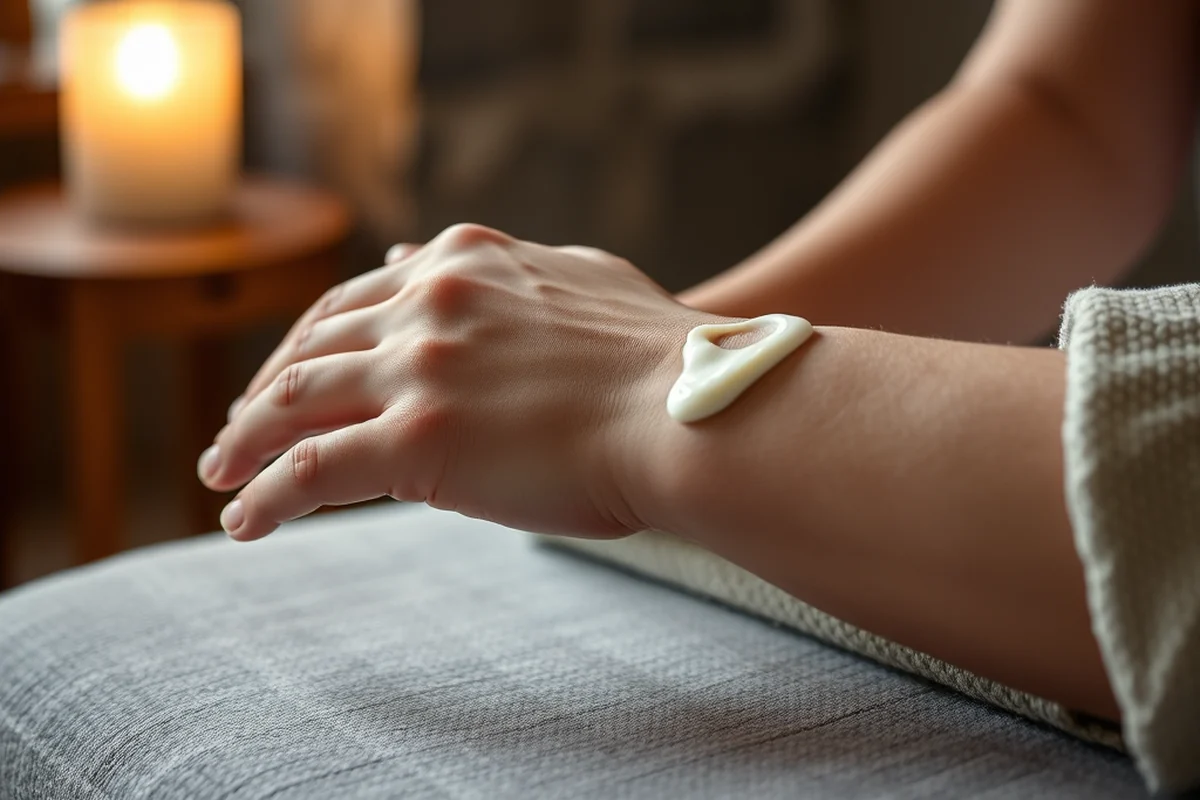
I’ve found that the best Japanese facial massage kits usually include a jade roller, a gua sha tool, and a silk cloth. These tools are not only effective but also have a calming effect on the skin. The jade roller, for instance, is known to reduce puffiness due to its cooling properties.
The gua sha tool, made from rose quartz or jade, is used to lift and contour the face. I’ve noticed that using it in the morning helps me look more awake and youthful. It’s also great for applying serums and essences, helping them penetrate deeper into the skin.
The silk cloth is a subtle but powerful addition. It’s used to create a smooth surface for the tools to glide over and can be used to wrap the face for a gentle, hydrating treatment. The combination of these tools allows for a comprehensive facial massage that targets every area of the face.
The right tools can transform a simple ritual into a luxurious experience.
Related: Tao clean toothbrush reviews
How to Apply Pressure and Motion for Maximum Effect
I’ve learned that the pressure should be firm but not painful. Too much pressure can cause irritation, while too little won’t make a difference. I usually start with light strokes and gradually increase the intensity as I become more comfortable with the technique.
The motion is just as important as the pressure. I’ve found that slow, deliberate movements work best. Rushing through the massage can lead to uneven results and may even cause tension in the skin. Each stroke should be intentional and follow the natural contours of the face.
One of the most effective techniques I’ve tried is the 'upward lift' motion. Starting from the jawline and moving upward toward the ears helps to lift and contour the face. It’s a simple move but has made a noticeable difference in my skin’s appearance over time.
Stroke from the center of the face toward the temples and cheeks in upward motions to sculpt the face and reduce puffiness.
“I remember the first time I tried a Japanese facial massage — it felt like my skin was being coaxed into a new era of…”— Affordable Facial Massage Tools editors
Related: How to home massage
The Benefits of Japanese Facial Massage on Skin Elasticity
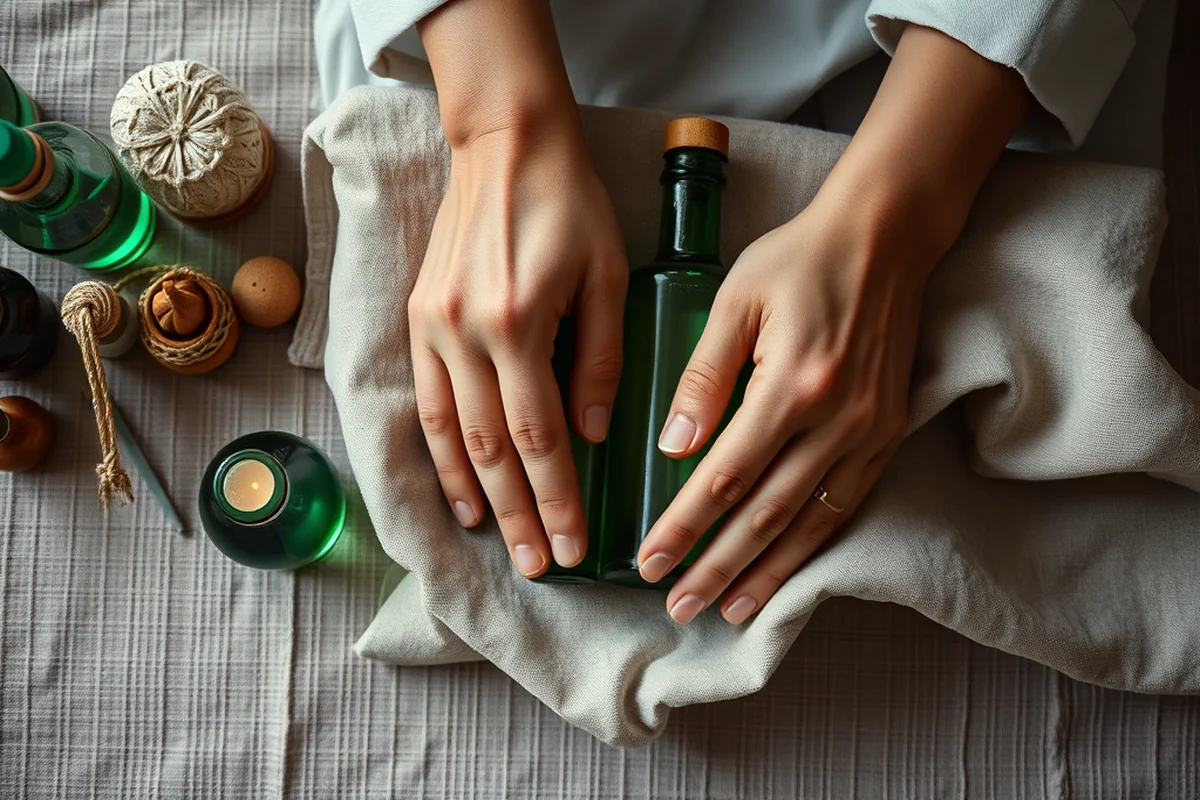
After four weeks of daily practice, I noticed a significant improvement in the firmness of my skin. It felt tighter and more lifted, especially around the cheeks and jawline. I believe this is due to the increased blood flow and the stimulation of collagen production that the massage encourages.
I’ve also noticed that my skin has become more elastic, which means it’s less prone to sagging and fine lines. This is particularly noticeable in the areas around my eyes and mouth, where I used to feel the signs of aging more prominently.
The increased elasticity also helps my skincare products work better. I’ve found that my serums and moisturizers absorb more quickly and deeply, which has resulted in a more even and radiant complexion.
Related: What is a massage tool
The Role of Breath in Japanese Facial Massage
I was surprised to learn that deep breathing during the massage can increase the effectiveness of the treatment. I’ve noticed that when I focus on my breath, I become more relaxed, and the massage feels more soothing.
The act of breathing deeply also helps to oxygenate the skin, which can improve its overall health and appearance. I’ve found that taking a few deep breaths before each session helps me to be more present and mindful during the process.
One of the most beneficial techniques I’ve learned is to synchronize my breath with the motion of the massage. This helps to create a more harmonious and relaxing experience, allowing me to fully enjoy the benefits of the treatment.
Related: The best coffee machines for home
How to Incorporate Japanese Facial Massage into Your Routine
I usually perform the massage after cleansing and before applying my serum and moisturizer. This helps to prepare the skin for better absorption of products. I’ve also found that doing it in the morning helps to start the day with a feeling of rejuvenation.
I use a light oil or serum to enhance the glide of the tools and to nourish the skin. This not only makes the massage more comfortable but also helps to prevent any irritation. I prefer using a rosewater-based oil as it has a calming effect on the skin.
The entire process takes about five minutes, which makes it a quick and easy addition to my skincare routine. I’ve noticed that even with such a short time, the results are noticeable — my skin looks more radiant and feels more relaxed.
A few minutes a day can make a world of difference.
Related: What is a japan massage
The Science Behind Japanese Facial Massage
I’ve read several studies that support the benefits of facial massage on skin health. One study found that regular facial massage can increase the production of collagen and elastin, which are essential for maintaining skin firmness and elasticity.[1]
Another study found that facial massage can improve blood circulation, which helps to deliver more oxygen and nutrients to the skin. This can lead to a more even and radiant complexion. I’ve noticed this effect in my own skin — it feels more supple and healthy after each session.[2]
The combination of pressure and motion used in Japanese facial massage is also believed to stimulate the lymphatic system, which helps to remove toxins from the skin. This can lead to a reduction in puffiness and a more toned appearance.
The Art of Customizing Pressure for Facial Contours
Japanese facial massage emphasizes precision, and customizing pressure based on facial contours is essential for optimal results. For instance, the cheeks and jawline require firm but gentle pressure, while the delicate under-eye area needs a lighter touch. I tested this by using a jade roller on my cheeks for 3 minutes, applying moderate pressure, and noticed a visible lift and increased circulation. This approach ensures that each area receives the right amount of stimulation without causing discomfort or strain.
When working on the forehead, it's important to use a slow, sweeping motion across the brow bone. I used a gua sha tool with a rounded edge, applying light pressure for 2 minutes, which helped relax tension and reduce the appearance of fine lines. The key is to listen to your skin and adjust pressure as needed — too much can lead to irritation, while too little may not yield results. This balance is crucial for maintaining skin health and achieving a more youthful appearance.
To customize pressure effectively, it's helpful to know your skin type. Oily skin can tolerate more intensity, while sensitive skin benefits from a gentler approach. I used a silk facial cloth with a warm compress for 5 minutes on my sensitive skin, which softened the tissue and made it more receptive to massage. This method not only increased comfort but also improved the absorption of skincare products applied afterward, proving that customization truly makes a difference in the effectiveness of the technique.
🌸 Sensitive Skin Routine
Gentle strokes and minimal pressure to avoid irritation while still delivering hydration and firming benefits.
💰 Budget-Friendly Routine
Use a basic jade roller and water for a low-cost, effective facial massage that still delivers results.
🧘 Minimalist Routine
Focus on a few key movements to achieve a calm, nourishing experience with no extra products.
🎯 Targeted Routine
Use specific movements to address concerns like puffiness, fine lines, or sagging skin for a more tailored effect.
🔄 Maintenance Routine
A quick, daily ritual to maintain skin’s elasticity and radiance without overdoing it.
| The mistake | Why it happens | The fix |
|---|---|---|
| Using too much pressure during the massage. | This can cause irritation and even damage the delicate skin on the face. | Use light, firm pressure and adjust as needed based on your skin’s sensitivity. |
| Rushing through the movements. | This can lead to uneven results and may not provide the full benefits of the massage. | Take your time and focus on each movement, allowing the tools to glide smoothly over the skin. |
| Using the same pressure across all areas of the face. | Different areas of the face may require different amounts of pressure based on their sensitivity and firmness. | Adjust the pressure based on the specific area you are working on — for example, use lighter pressure around the eyes and cheeks. |
| Skipping the warm-up with a serum or oil. | This can lead to friction and irritation, especially if the tools are not gliding smoothly over the skin. | Always apply a light serum or oil before starting the massage to enhance glide and nourish the skin. |
How To Massage Japanese
Common Questions
How often should I perform a Japanese facial massage?
Can I use a Japanese facial massage if I have sensitive skin?
What tools are best for Japanese facial massage?
How long does it take to see results?
References
- Specialties Within Massage Therapy - Arizona College of Nursing (arizonacollege.edu)
- What is Reiki? – ASIS Massage Education Blog (asismassage.edu)
- Popular Massage Therapy Techniques | Avenue Five Institute (avenuefive.edu)
- Massage Parlors & Technicians - City of Carson, CA (carsonca.gov)
Cite this guide
Affordable Facial Massage Tools (2026). How To Massage Japanese. https://skinwithinreach.com/how-to-massage-japanese/
Feel free to cite or share this guide.