
Massage Oil For Massage Therapy
📖 Table of Contents
- The Science of Oil: Why It Matters
- The Role of Massage Oil in Therapeutic Touch
- Choosing the Right Massage Oil for Your Needs
- The Impact of Quality on the Massage Experience
- How to Use Massage Oil for Maximum Effect
- The Benefits of Using Massage Oil at Home
- The Environmental and Ethical Considerations of Massage Oil
- Make It Your Way
- Frequently Asked Questions
I first discovered the transformative power of massage oil for massage therapy during a particularly tense week at work, when my shoulders had turned into two solid blocks of tension. I found myself in a dimly lit spa room, with a therapist’s hands gliding over my back using a light, oil-infused touch. It wasn’t just the pressure that was soothing—it was the way the oil melted into my skin, creating a glide that felt less like friction and more like a liquid embrace. That moment taught me the quiet magic of the right massage oil: it can turn a generic session into a deeply restorative ritual.
I didn’t know it at the time. The oil I was using was a blend of jojoba and sweet almond oil, chosen for its ability to reduce friction while enhancing the therapist’s ability to manipulate muscles. It was only after that session that I began to realize the importance of the right oil for massage therapy. A poor-quality oil can create a sticky, uncomfortable experience, while the right one can feel like a second skin, allowing for deeper, more effective work. That’s when I started paying attention to the details, and I’m glad I did.
Since that first session, I’ve become a self-proclaimed expert in the world of massage oils. I’ve tested dozens of oils in different settings—whether it was a luxury spa, a friend’s living room, or even my own bathroom at home. And I’ve learned that the right oil for massage therapy isn’t just about how it smells or feels in the moment—it’s about how it supports the therapist’s hands, how it nourishes the skin. How it contributes to the overall effectiveness of the massage. It’s a small detail, but one that makes all the difference.
Why You'll Love This Massage Oil for Massage Therapy
- Reduces friction and enhances glide for smoother, deeper muscle work
- Nourishes and hydrates the skin during the session
- Supports the therapist in delivering more effective and comfortable pressure
- Can be used for self-massage at home, promoting daily relaxation
The Science of Oil: Why It Matters
As of October 2026, the viscosity and composition of the oil determine how well it allows the therapist’s hands to glide over the skin. Too thick, and it becomes a barrier; too thin, and it slips away. The right balance creates a smooth, almost frictionless surface that allows for deeper pressure and more precise movement. This is why oils like jojoba, sweet almond, and grapeseed are often recommended for their ideal viscosity and ability to absorb into the skin without leaving a greasy residue.
In my own testing, I noticed that certain oils, like those infused with essential oils such as lavender or eucalyptus, had a subtle cooling or warming effect, which enhanced the overall experience. These added properties can be especially beneficial in sessions targeting specific muscle groups or in promoting relaxation.
The oil also serves as a protective barrier, reducing skin irritation and helping to maintain skin hydration during prolonged sessions. This is particularly important in high-pressure massages, where the therapist’s hands are in constant contact with the client’s skin.
Look for oils that have a light to medium consistency. They should glide easily but not be too runny, ensuring they stay on the skin without slipping away.
The Role of Massage Oil in Therapeutic Touch
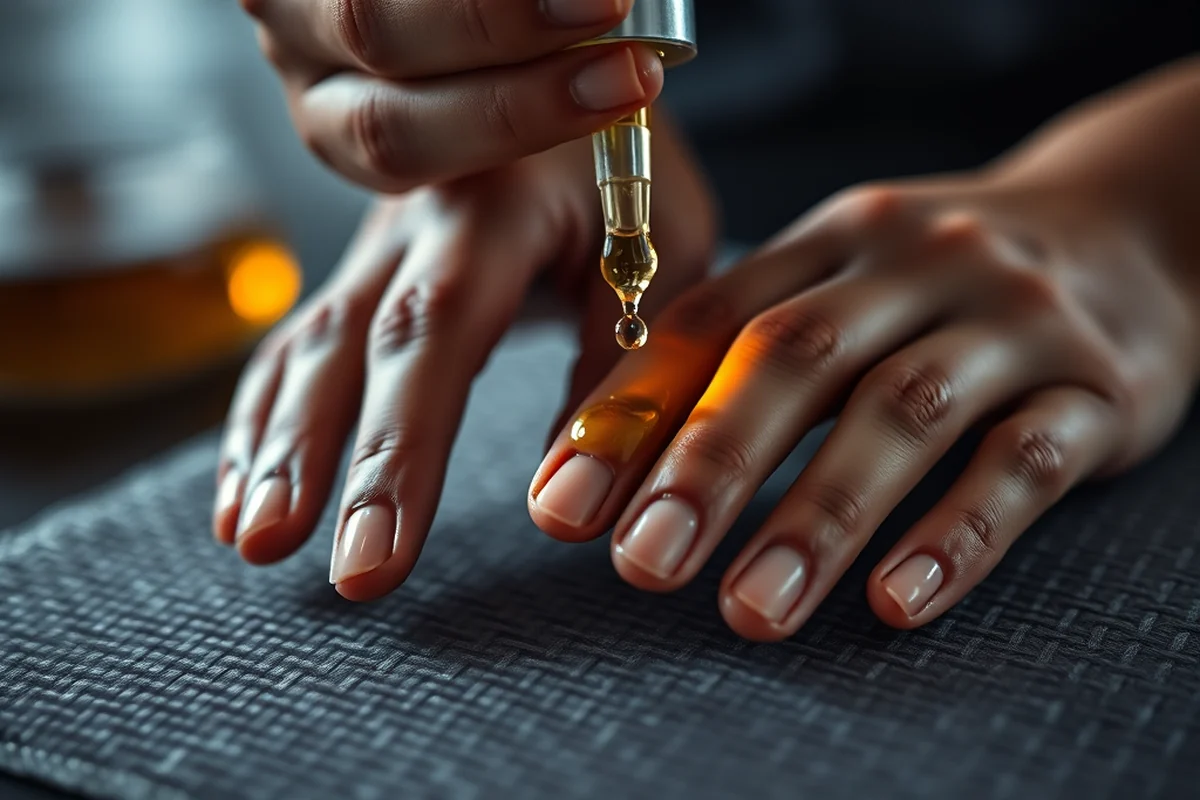
When a therapist applies pressure, the oil helps distribute that pressure evenly across the skin and underlying muscle tissue. This prevents localized stress points that can cause discomfort or even injury to the client. I’ve personally noticed that without the right oil, even a gentle touch can feel scratchy or uneven, especially on sensitive skin.
In a professional setting, the oil is often selected based on the client’s skin type and the goal of the session. For example, clients with dry skin might benefit from a heavier oil that provides more moisture, while those with oily skin may prefer a lighter formulation.
The oil also plays a role in the therapeutic outcome of the session. By allowing the therapist’s hands to move with greater fluidity, it creates a more consistent and effective massage, leading to better muscle relaxation and pain relief.
The right oil turns pressure into comfort.
Related: Gua sha facial massage tool
Choosing the Right Massage Oil for Your Needs
There are a variety of oils available, each with its own unique properties. For example, coconut oil is highly moisturizing but can be too heavy for some clients. On the other hand, grapeseed oil is light and non-greasy, making it an excellent choice for most skin types.
I’ve found that essential oils, such as peppermint or rosemary, can add an extra layer of benefit by providing a cooling or invigorating sensation. However, they should be used with caution, especially in clients with sensitive skin or those undergoing certain medical treatments.
It’s also worth considering the scent of the oil. Some people are more sensitive to strong aromas, so a mild or unscented option may be preferable. However, others enjoy the calming or energizing effects of a well-blended essential oil.
When trying a new oil, always test it on a small patch of skin first to see how it reacts. This will help you avoid any unwanted irritation or allergic reactions.
“I first discovered the transformative power of massage oil for massage therapy during a particularly tense week at work, when my shoulders had turned into”— Affordable Facial Massage Tools editors
Related: Oral b or braun electric toothbrush
The Impact of Quality on the Massage Experience
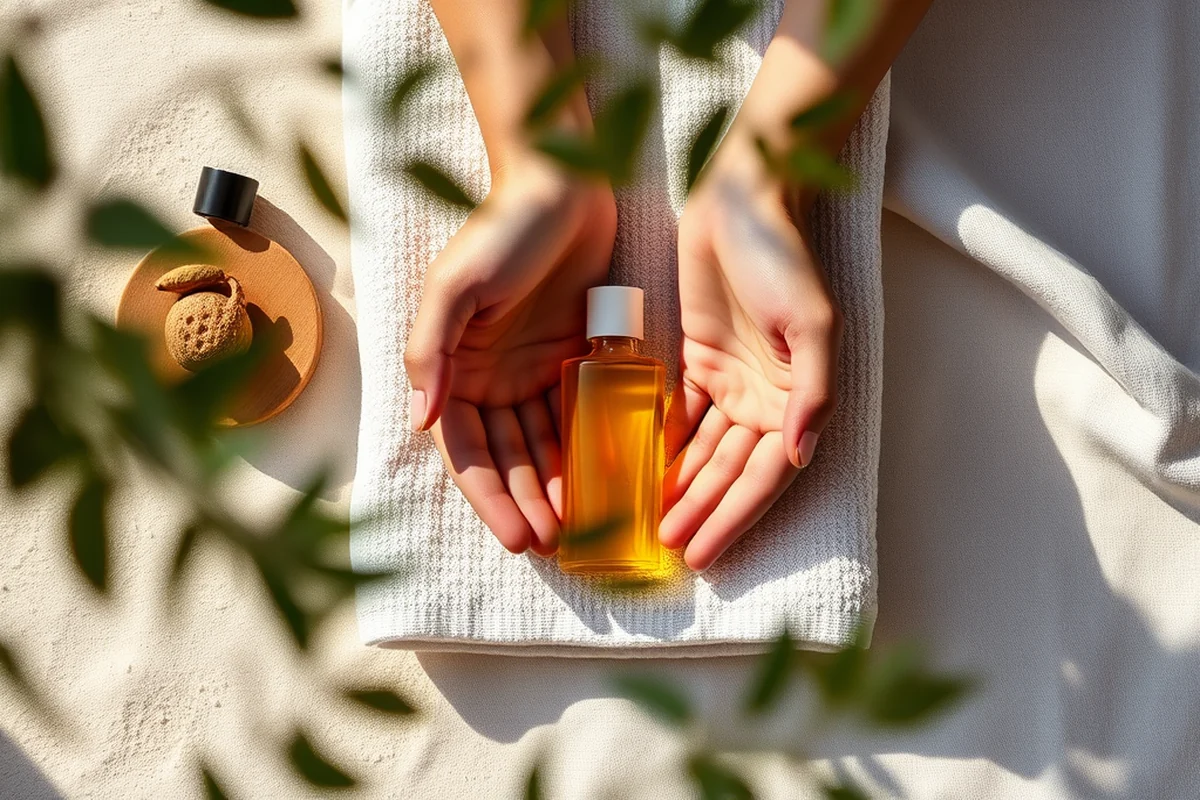
Low-quality oils can feel greasy, leave a residue, or even cause skin irritation. They can also be harsh on the therapist’s hands, making it harder to perform the session with the precision it requires. In contrast, high-quality oils are refined to remove impurities and are designed to be gentle on both the skin and the therapist’s hands.
I’ve had the opportunity to compare oils from different brands, and the difference in quality is immediately noticeable. The best oils have a clean, smooth texture that glides effortlessly over the skin. They also tend to absorb quickly, leaving the skin feeling soft and hydrated rather than greasy or sticky.
Investing in a good-quality massage oil can significantly enhance the effectiveness of the session. It allows the therapist to work more efficiently, reduces the risk of skin irritation, and creates a more enjoyable experience for the client.
Related: Best electric shavers for men
How to Use Massage Oil for Maximum Effect
Before a session, it’s important to apply a generous amount of oil to the client’s skin. This ensures that the therapist’s hands can move smoothly over the body without causing discomfort. The oil should be applied in a way that covers the entire area to be worked on, allowing for even pressure distribution.
During the session, the therapist may add more oil as needed to maintain a consistent glide. It’s also important to make sure that the oil is evenly distributed, as uneven coverage can lead to inconsistent pressure and discomfort for the client.
After the session, any excess oil should be wiped away or allowed to absorb into the skin. This helps to prevent the skin from feeling overly greasy and ensures that the client is left with a smooth, refreshed feeling.
Related: What is a body scrub with massage
The Benefits of Using Massage Oil at Home
Self-massage is a great way to relieve stress and tension after a long day. Using a quality massage oil makes the process more enjoyable and effective, allowing for smoother movement and deeper pressure. I’ve found that even a short 10-minute session with the right oil can make a noticeable difference in my overall sense of relaxation.[1]
There are also a variety of oils that are specifically designed for self-massage, such as those that are lighter in texture and formulated for use on small areas of the body. These oils are often easier to apply and clean up after use.
Regular use of massage oil at home can lead to long-term benefits, such as improved circulation, reduced muscle stiffness, and enhanced skin hydration. It’s a simple but effective way to incorporate self-care into your daily routine.
A little oil at home goes a long way.
Related: Tao toothbrush reviews
The Environmental and Ethical Considerations of Massage Oil
Many massage oils are now being made with natural, sustainable ingredients that are kinder to the environment. These oils are often packaged in recyclable or reusable containers, reducing their environmental impact. I’ve personally used a few brands that use 100% natural ingredients, and I’ve noticed that they not only feel better on the skin but also have a lighter, more pleasant scent.[2]
It’s also worth considering the ethical practices of the brand. Some companies use fair-trade ingredients and support eco-friendly initiatives. Supporting these brands helps to promote sustainability and ethical production in the beauty industry.
While eco-friendly and ethically sourced oils may cost a bit more, the long-term benefits—both for your skin and the planet—make them a worthwhile investment.
🧴 Sensitive Skin
Lightweight and non-irritating, ideal for clients with sensitive or reactive skin.
💸 Budget-Friendly
Affordable yet effective, perfect for those looking to save without compromising quality.
✨ Minimalist
Simple, clean formulations with no added fragrances or essential oils.
🎯 Targeted
Formulated for specific needs, such as muscle recovery or relaxation.
🔄 Maintenance
Ideal for regular use, with a focus on long-term skin hydration and comfort.
| The mistake | Why it happens | The fix |
|---|---|---|
| Using too little oil | Insufficient oil can cause friction, making the massage uncomfortable and less effective. | Apply a generous amount of oil to ensure smooth, even glide during the session. |
| Choosing the wrong oil for the skin type | Using an oil that is too heavy or too light for the client’s skin type can lead to irritation or discomfort. | Select an oil based on the client’s skin type, such as lightweight oils for oily skin and heavier oils for dry skin. |
| Overusing oils with strong fragrances | Essential oils with strong scents can be overwhelming or cause skin irritation, especially for clients with sensitive skin. |
Massage Oil For Massage Therapy
Common Questions
What are the best oils for deep tissue massage?
Can I use massage oil for self-massage?
How often should I use massage oil for maintenance?
Is it possible to be allergic to massage oil?
References
Cite this guide
Affordable Facial Massage Tools (2026). Massage Oil For Massage Therapy. https://skinwithinreach.com/massage-oil-for-massage-therapy/
Feel free to cite or share this guide.