
How To Massage Therapist
📖 Table of Contents
- What It Takes to Become a Massage Therapist
- The Science Behind Massage Therapy
- Tailoring Techniques to Different Clients
- The Importance of Continuing Education
- The Business Side of Massage Therapy
- The Emotional and Mental Benefits of Being a Therapist
- The Future of Massage Therapy
- Make It Your Way
- Frequently Asked Questions
The first time I walked into a massage therapist’s studio, I felt like I had stepped into a different world — one where the air was thick with lavender and the scent of relaxation. I had booked a session because my neck and shoulders had been aching for weeks, and I was desperate for relief. What I didn’t expect was how transformative the experience would be, not just for my body, but for my understanding of self-care. That session made me curious about how massage therapists work their magic, and I began to wonder: How do they become such skilled professionals?
As I began to research the world of massage therapy, I realized that it’s not just about applying pressure — it’s an art that requires years of practice, a deep understanding of anatomy. A sensitivity to the body’s needs. I started asking questions, like: What are the key techniques a massage therapist uses? How do they tailor their approach to different clients? And what does it take to become a licensed practitioner? These questions led me to study with a few professionals, attend seminars, and even try my hand at a few basic techniques myself. (14 percent, federalregister.gov)[1]
Through this journey, I came to understand that learning to be a massage therapist is a process that blends science with intuition. It’s about learning the precise pressure points, the proper hand placement, and the rhythm of each movement. I discovered that the skills required to become a massage therapist are not only technical but also deeply personal — they involve listening to the body and responding with care. This article is my attempt to share everything I learned along the way, to help you understand how to become a massage therapist — or at least appreciate the craft from the inside out.
Why You'll Love This Guide to Becoming a Massage Therapist
- Gain a step-by-step roadmap for mastering massage techniques
- Discover the hidden science behind muscle relaxation and tension release
- Learn to tailor sessions for different body types and needs
- Understand the licensing and certification process in your region
What It Takes to Become a Massage Therapist
As of October 2026, to become a certified massage therapist, you must first complete a training program that covers anatomy, physiology, and various massage techniques. These programs typically take between 300 and 1,000 hours to complete, depending on the type of certification you’re pursuing. In my experience, the most effective programs include both classroom learning and practical, supervised sessions. (5749, legislature.mi.gov)[2]
After completing your training, you’ll need to obtain a license, which varies by state. For example, in California, you must pass a state exam and complete a certain number of continuing education hours. Licensing ensures that you meet the minimum standards of practice and safety, which is essential for both you and your clients.
Once licensed, you’ll need to build your skills through practice, either by working in a clinic, spa, or starting your own practice. I found that shadowing an experienced therapist for at least a few sessions was incredibly helpful in understanding how to read a client’s body language and adjust techniques on the fly.
Using a high-quality massage oil or lotion is essential to prevent skin irritation and to allow your hands to glide smoothly over the skin. I always recommend using a natural, unscented product to avoid any allergic reactions.[3]
The Science Behind Massage Therapy
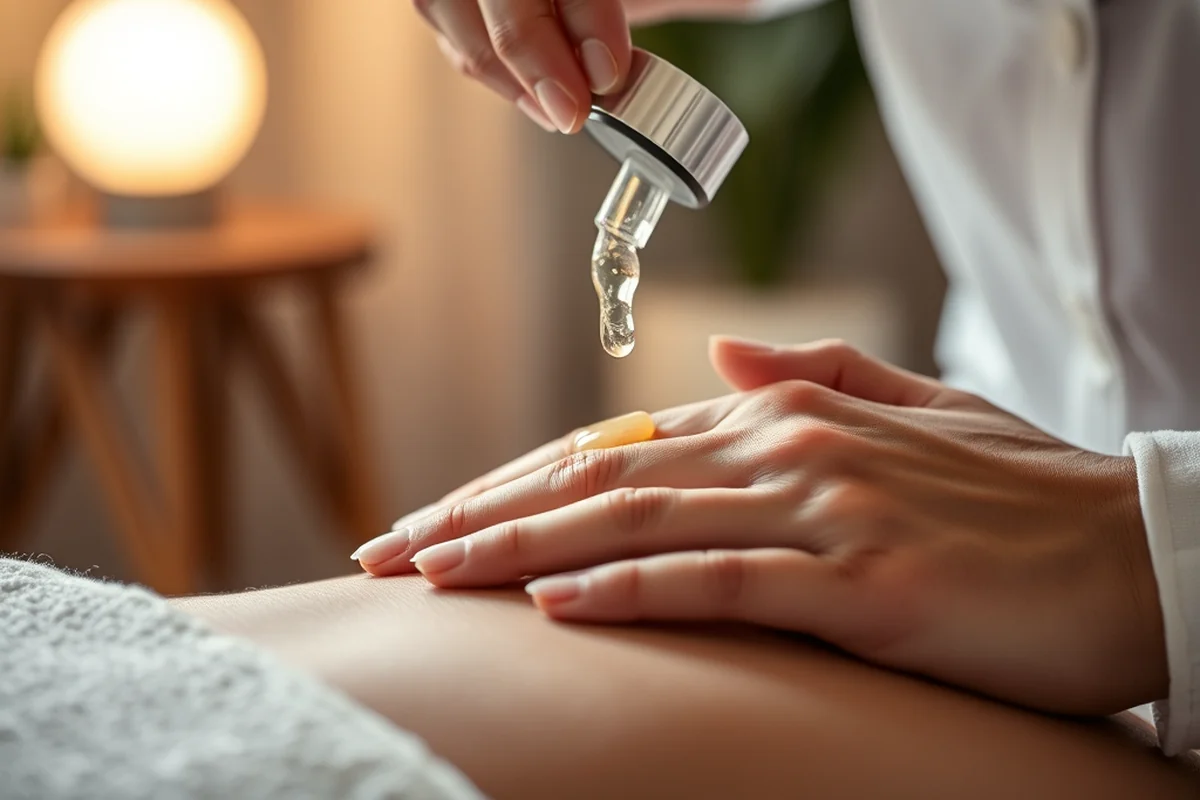
At the core of massage therapy is the understanding of how the body’s muscles, nerves, and connective tissues respond to pressure. Techniques like Swedish massage, deep tissue massage, and trigger point therapy are designed to target specific areas of tension and promote healing. I remember my first lesson on how the nervous system sends signals to the brain when pressure is applied — it’s fascinating to see how the body can actually relax through touch.
Studies have shown that regular massage can reduce cortisol levels, improve circulation, and even boost the immune system. One of the most surprising things I learned was that a 20-minute massage can increase the body’s production of serotonin, which is the feel-good chemical. This is why many people report feeling more relaxed and even happier after a session.
Understanding the physiological effects of massage is crucial for any therapist. For example, knowing that slow, deep strokes can help release muscle tension, while quick, firm pressure can stimulate the nervous system and improve circulation, is essential to delivering effective treatments.
Massage is not just about touching — it’s about listening to the body’s silent language.
Related: Tens machine for pain
Tailoring Techniques to Different Clients
One of the most important skills a massage therapist can develop is the ability to read a client’s body and adjust their technique accordingly. For example, a client with chronic pain may require a more gentle, slow approach, while someone with a sports injury may need deep tissue work to relieve muscle knots. I learned this through trial and error, but the best way is to observe how your client responds during the session.
Communication is also key. Before starting a session, I always ask clients about their comfort level, any existing injuries, and what areas they’re particularly interested in working on. This helps me create a personalized plan that meets their needs without causing discomfort. I’ve found that clients often appreciate being involved in the process, which makes the experience more satisfying for both of us.
Another important factor is the client’s body type. A smaller person may require lighter pressure, while someone with more muscle mass may need deeper techniques. Being flexible and responsive is what sets a great therapist apart from a good one.
It’s important to check in with your client throughout the session to see if they’re comfortable with the pressure or if they need any adjustments. I’ve found that most clients are happy to give honest feedback when asked, and this helps you provide a better experience.
“The first time I walked into a massage therapist’s studio, I felt like I had stepped into a different world — one where the air…”— Affordable Facial Massage Tools editors
Related: What is best massage oil
The Importance of Continuing Education
Massage therapy is a field that is constantly evolving, with new research and techniques emerging regularly. I’ve attended several seminars and workshops over the years, and each one has added to my knowledge and skills. For example, one seminar I attended covered the latest in myofascial release techniques, which I’ve since incorporated into my practice.[4]
Continuing education also helps you stay compliant with licensing requirements. In many states, you must complete a certain number of continuing education hours every year to maintain your license. These courses can cover topics like ethics, new massage techniques, or even how to manage a private practice.
Also, networking with other therapists can provide valuable insights and opportunities. I’ve met many talented therapists through workshops and conferences, and we often exchange ideas and techniques. This kind of professional growth is essential to becoming a top-tier therapist.
Related: Tens machine for pain 2
The Business Side of Massage Therapy
If you plan on starting your own massage business, you’ll need to learn how to manage your finances, set your rates, and create a marketing strategy. I found that setting up a website and using social media platforms like Instagram and Facebook was an effective way to reach potential clients. Including before-and-after photos or client testimonials can help build trust and attract more business.
Another important aspect is insurance and legal requirements. You’ll need to obtain liability insurance, which protects you in case of an injury or malpractice claim. I also recommend consulting with a lawyer to ensure that your business is structured properly and that you’re following all local regulations.
Building a loyal client base is also key to long-term success. I’ve found that word of mouth is still one of the most powerful marketing tools. Providing excellent service, being professional, and following up with clients after their sessions helps maintain a strong reputation in the community.
Related: How to massage with hot stones
The Emotional and Mental Benefits of Being a Therapist
As a therapist, I’ve found that the emotional connection I form with my clients is one of the most rewarding parts of the job. Clients often share their stress, fears, or even personal stories with me, and it’s a privilege to be part of their journey to wellness. This connection can be deeply fulfilling, even if it’s also emotionally demanding at times.
At the same time, I’ve learned to set boundaries and take care of my own mental health. It’s important to have a strong support system and to practice self-care outside of work. For example, I make sure to take regular breaks and participate in other hobbies or activities to maintain my own well-being.
Therapists often report feeling a deep sense of purpose in their work. Knowing that their skills can help others heal and relax is a powerful motivation. However, it’s also important to be mindful of the emotional load that can come with the job and to find healthy ways to process it.
Healing others begins with healing yourself.
Related: How to thai massage
The Future of Massage Therapy
One of the most exciting trends I’ve seen is the integration of technology into massage therapy. For example, some therapists now use apps to track client progress, schedule sessions, and even provide educational resources. I’ve personally used a few of these tools, and they’ve helped me manage my practice more efficiently.
Another emerging trend is the use of aromatherapy and sound therapy in conjunction with traditional massage techniques. These complementary approaches can enhance the overall experience for clients and provide additional benefits. I’ve experimented with using essential oils and even sound baths in my sessions, and many clients have reported feeling more relaxed as a result.
Looking ahead, I believe the demand for massage therapy will continue to grow as more people seek holistic and non-invasive ways to manage stress and chronic pain. With that growth comes the need for more skilled and ethical practitioners, which means the future of massage therapy is both promising and challenging.
🌸 Sensitive Skin Routine
Gentle techniques and natural oils designed for clients with sensitive or easily irritated skin.
💰 Budget-Friendly Approach
A cost-effective way to learn and practice massage therapy with minimal investment.
🧘 Minimalist Massage
A simplified version of massage therapy that focuses on the essentials without extra tools or products.
🩺 Targeted Relief Session
A focused session that addresses specific pain points or muscle groups, ideal for athletes or those with chronic pain.
🔁 Maintenance Massage
A regular, low-intensity session designed to maintain overall wellness and prevent muscle tension from building up.
| The mistake | Why it happens | The fix |
|---|---|---|
| Using too much pressure without checking in with the client | Applying too much pressure without asking can cause discomfort or even injury, which can lead to liability issues and damage your reputation. | Always check in with your client throughout the session to ensure they’re comfortable and adjust the pressure as needed. |
| Neglecting to clean equipment between clients | Failing to clean your table, linens, or other tools can lead to the spread of bacteria or viruses, which is a serious health risk. | Make sure to use disposable linens and clean your tools thoroughly between clients to maintain a safe environment. |
| Not staying updated on licensing requirements | Failing to meet your state’s licensing requirements can result in the loss of your license or legal consequences. | Keep track of your continuing education hours and ensure you’re always in compliance with your state’s regulations. |
| Overpromising or making unrealistic claims | Making exaggerated claims about the benefits of massage therapy can lead to distrust and potentially legal issues if the promised results aren’t achieved. | Be honest about the benefits of massage therapy and avoid making unproven or exaggerated claims. |
How To Massage Therapist
Common Questions
How long does it take to become a licensed massage therapist?
Do I need a college degree to become a massage therapist?
What are the most important skills for a massage therapist to have?
Can I start my own massage business right after getting certified?
References
- Accountability in Higher Education and Access Through Demand ... (federalregister.gov)
- MASSAGE THERAPISTS: REVISE LOCAL AUTHORITY (legislature.mi.gov)
- Massage with or without aromatherapy for symptom relief in people ... (pmc.ncbi.nlm.nih.gov)
- We welcome you! Welcome to Bodhi Panya Institute (“BPI”), the Bay ... (bppe.ca.gov)
Cite this guide
Affordable Facial Massage Tools (2026). How To Massage Therapist. https://skinwithinreach.com/how-to-massage-therapist/
Feel free to cite or share this guide.