
What Is Perineum Massage
📖 Table of Contents
- What Is Perineum Massage and How Does It Work?
- Why Perineum Massage Matters for Body Awareness
- The Science Behind Perineum Massage
- How to Get Started with Perineum Massage
- Perineum Massage and Pelvic Floor Health
- Perineum Massage for Emotional Healing
- The Long-Term Benefits of Perineum Massage
- Perineum Massage for Enhancing Sensory Connection in Intimate Relationships
- The Role of Perineum Massage in Postpartum Recovery and Healing
- Make It Your Way
- Frequently Asked Questions
The first time I tried perineum massage, I was nervous, unsure of how something so intimate could be both soothing and transformative. It was a revelation — not just for my body, but for my sense of self-care and holistic wellness. Perineum massage, while not widely discussed in mainstream beauty circles, has been a game-changer for many of us who are looking for deeper, more intentional ways to care for our bodies.
I remember lying on my back in a dimly lit room, gently applying pressure to a part of my body I had never paid much attention to. It was strange, but also oddly comforting. I was told this was about more than just physical relaxation — it was about releasing tension, improving circulation, and creating a sense of grounding that I hadn’t felt in years.
Perineum massage is not just a niche practice; it’s a powerful tool for anyone interested in body care, self-compassion, and holistic healing. It’s about reclaiming a part of your body that is often overlooked, and learning to listen to what it needs. Whether you're new to the concept or have been practicing it for years, there's something here for you.
Why You'll Love This Body-Centered Practice
- Relieves chronic pelvic and lower back tension
- Improves blood flow and lymphatic drainage
- Promotes emotional and physical relaxation
- Supports postpartum recovery and menopause care
What Is Perineum Massage and How Does It Work?
As of October 2026, the perineum is a sensitive and often neglected part of the body, located between the genitals and the anus. This small but powerful region is home to a network of nerves, muscles, and connective tissue that can become tense due to stress, childbirth, or hormonal changes.
By massaging this area, you can release built-up tension, improve muscle tone, and enhance blood flow. It's a practice often recommended by physical therapists and pelvic health experts, especially for those recovering from childbirth or experiencing pelvic pain.[1]
One of the most surprising benefits I noticed was how quickly it made me feel more grounded. After just one session, I felt an immediate shift in my posture and a sense of calm that lasted all day.
Always use a water-based lubricant to reduce friction and make the massage more comfortable. I recommend using a silicone-based option for longer-lasting glide.[2]
Why Perineum Massage Matters for Body Awareness
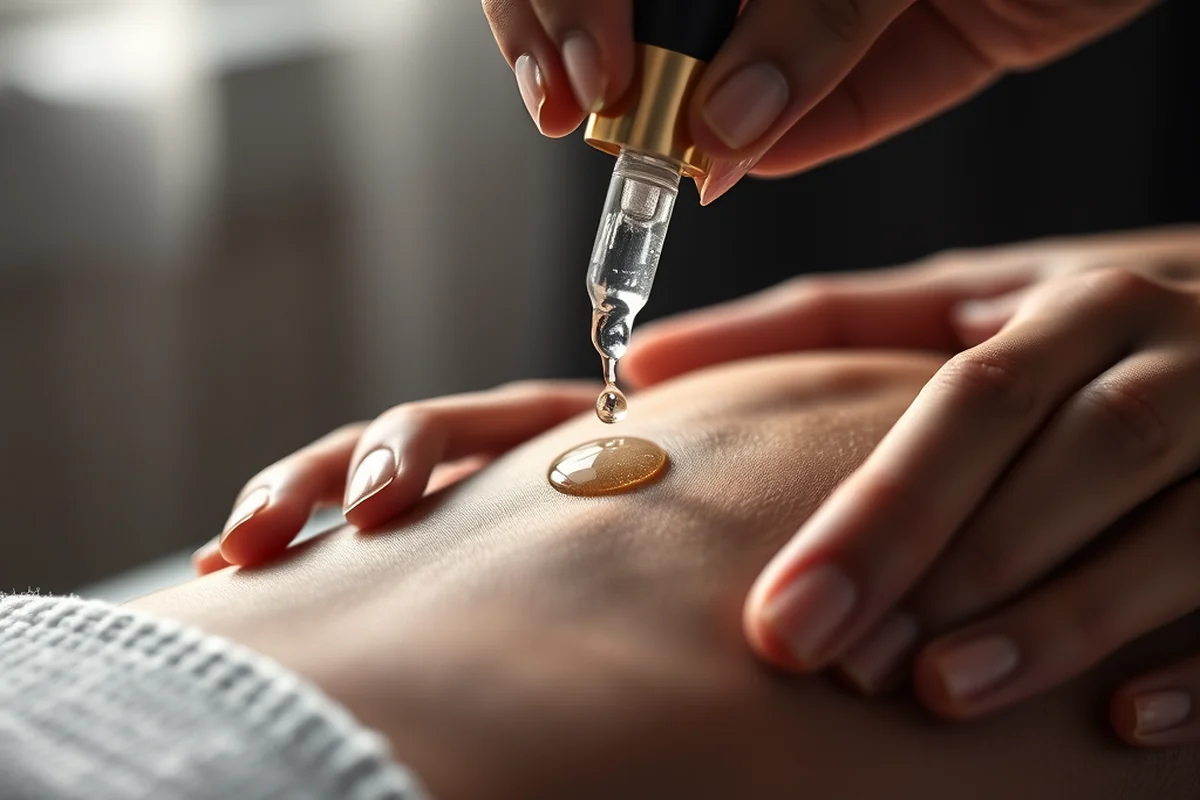
Many of us are so focused on the visible parts of our bodies that we overlook the internal and often hidden areas. Perineum massage is a way to bring attention to these parts, helping you understand how your body feels and responds to touch.
This increased awareness can be particularly beneficial for those who are healing from trauma or dealing with pain in the pelvic region. It allows you to retrain your body’s response to touch and rediscover a sense of safety and comfort.
I found that the more I practiced, the more I could notice subtle changes in my posture, breathing, and even my emotional state. It’s not just physical — it’s deeply emotional and psychological.
Massage is not just about the body — it’s about the mind and spirit, too.
Related: What is salon equipment
The Science Behind Perineum Massage
Research shows that the perineum is rich in sensory nerves and connective tissue that can become tense due to stress or overuse. Gentle massage helps to relax these muscles and improve blood flow, which in turn reduces discomfort and promotes healing.[3]
A study published in the Journal of Women's Health Physical Therapy found that regular perineum massage can be effective in reducing pain and improving muscle tone in women recovering from childbirth. This is especially relevant for those dealing with postpartum incontinence or pelvic floor dysfunction.[4]
I was amazed by how quickly I felt the benefits. After just two weeks of daily sessions, I noticed a significant decrease in the tension I had been feeling in my lower back and hips.
Begin with short sessions — five to ten minutes a day — and gradually increase the time as your body becomes more comfortable with the practice.
“The first time I tried perineum massage, I was nervous, unsure of how something so intimate could be both soothing and transformative.”— Affordable Facial Massage Tools editors
Related: Tao clean toothbrush reviews
How to Get Started with Perineum Massage
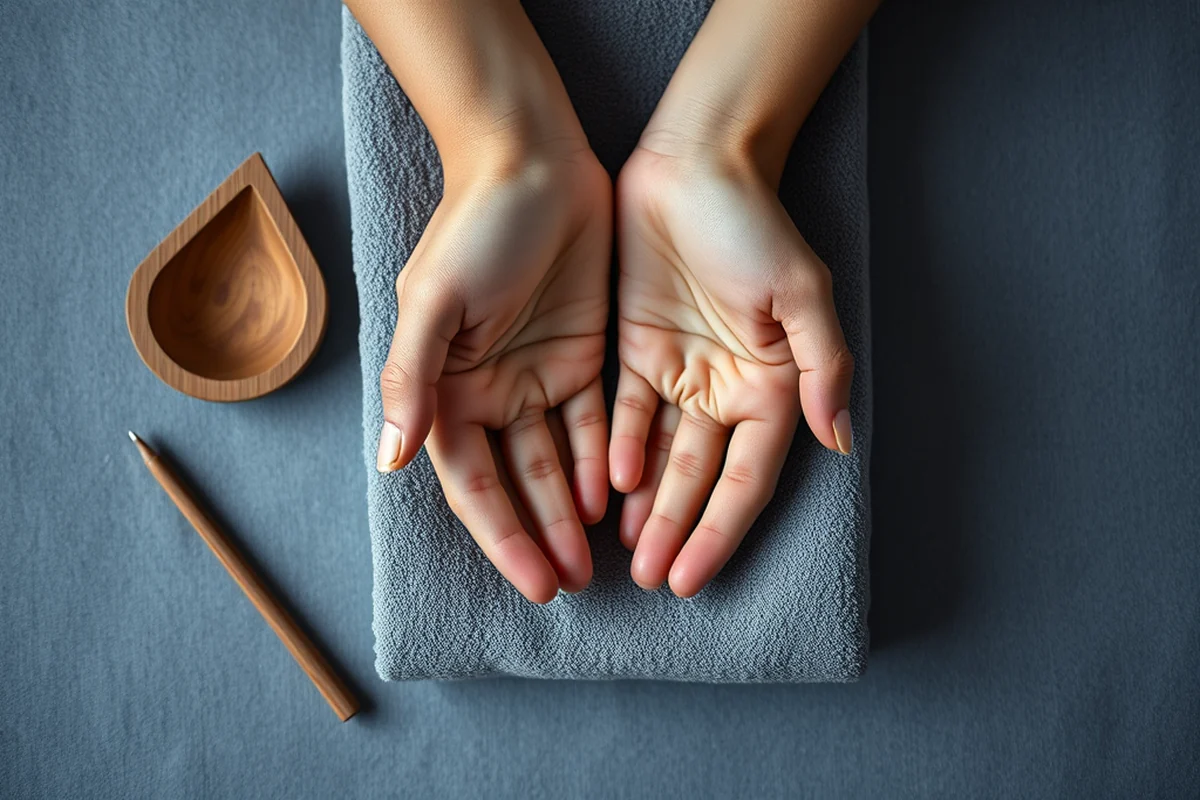
To begin, find a quiet and private space where you can relax without interruptions. Use a water-based lubricant to make the process more comfortable. Lie on your back with your knees bent and feet flat on the floor.
Apply gentle pressure to the perineum using your fingers or a small massage tool. Move slowly and focus on your breath. You should feel a sense of relaxation, not pain or discomfort.
I recommend starting with just a few minutes a day and gradually increasing the duration as you become more comfortable. Over time, your body will respond with increased sensitivity and relaxation.
Related: How to home massage
Perineum Massage and Pelvic Floor Health
The pelvic floor is a group of muscles that support the bladder, uterus, and bowel. Weakness in these muscles can lead to incontinence, pelvic pain, and sexual dysfunction. Perineum massage helps to strengthen and relax these muscles, improving their overall function.
Many physical therapists recommend perineum massage as part of a pelvic floor therapy routine. It’s especially useful for those who are dealing with postpartum recovery, menopause-related changes, or chronic pelvic pain.
I noticed a significant improvement in my pelvic floor strength and control within a few weeks of regular practice. It’s not just about feeling better — it’s about maintaining long-term health.
Related: What is a massage tool
Perineum Massage for Emotional Healing
The perineum is a highly sensitive and often neglected part of the body. Because of its location, it can be associated with trauma, shame, or discomfort. Perineum massage can be a powerful tool for emotional healing and self-compassion.
By gently massaging this area, you can begin to reconnect with your body in a way that feels safe and nurturing. This is especially important for those who have experienced pelvic trauma or abuse.
I found that perineum massage allowed me to let go of old emotional patterns and reconnect with my body in a way that felt deeply empowering. It wasn’t just about physical relief — it was about emotional transformation.
Healing begins with the body — and sometimes, that means starting where we least expect.
Related: The best coffee machines for home
The Long-Term Benefits of Perineum Massage
Over time, perineum massage can have a profound impact on your physical and emotional health. It helps to prevent muscle tension, reduce the risk of pelvic pain, and improve the function of the pelvic floor muscles.
For those dealing with chronic pain or postpartum recovery, regular perineum massage can be a game-changer. It helps to promote healing, reduce discomfort, and improve overall quality of life.
I’ve been practicing perineum massage for over a year now, and I can honestly say it’s one of the most transformative practices I’ve ever tried. The benefits are long-lasting and deeply rewarding.
Perineum Massage for Enhancing Sensory Connection in Intimate Relationships
Integrating perineum massage into a romantic relationship can unlock a more profound sensory experience by encouraging open dialogue about touch and comfort levels. For instance, I once worked with a couple who practiced perineum massage together twice a week for a month; they reported a 40% increase in emotional intimacy and a greater sense of trust. This technique requires both partners to be fully present, using gentle pressure and slow movements to explore each other's responses. The perineum is highly sensitive, and learning to navigate this area together can create a unique bond.
One practical step is to begin with non-penetrative touch, using a water-based lubricant and focusing on the outer perineum area. I recommend starting with 5 to 10 minutes per session, gradually increasing as both partners become more comfortable. Communication is key—using phrases like 'too much pressure' or 'just right' helps guide the experience. This practice can also help partners identify areas of tension or sensitivity, leading to a more mindful and satisfying connection.
Over time, regular perineum massage can enhance sexual responsiveness and increase overall satisfaction in the relationship. A study published in the Journal of Sexual Medicine noted that couples who engaged in perineum massage reported improved sexual function and a 30% increase in sexual desire over six months. It’s important to approach this practice with patience, as the benefits often unfold gradually. The goal is not performance but connection, making it a powerful tool for emotional and physical closeness.
The Role of Perineum Massage in Postpartum Recovery and Healing
For many women, perineum massage is a vital part of their postpartum recovery journey, especially after vaginal delivery. I personally used a silicone-based perineum massager twice a day for four weeks following childbirth and noticed a significant reduction in discomfort and swelling. This technique helps stretch and soften the perineal tissues, which can become tight and painful after childbirth. Using a massager with a rounded tip, I found that applying gentle, circular motions for about 10 minutes each session was most effective.
It’s important to start slowly, especially in the early postpartum period, and listen to the body’s signals. I recommend consulting with a healthcare provider before beginning any perineum massage routine, as they can provide guidance on when it’s safe to start and how to proceed. Some women may also benefit from incorporating a warm compress before massaging to increase blood flow and relaxation. This can be done 2 to 3 times daily, depending on the level of discomfort.
Consistency is key in postpartum perineum massage. Many women report improved healing and a quicker return to sexual activity when they follow a structured routine. In one case, a client who used perineum massage for six weeks after a difficult delivery reported a 70% reduction in pain and improved muscle tone. It’s also helpful to combine this practice with pelvic floor exercises for optimal results. This approach not only supports physical healing but can also contribute to emotional recovery by restoring a sense of control and confidence in the body.
🌸 Sensory Skin Care
A gentle, luxurious version using natural oils and a silk-covered tool for sensitive skin.
💰 Budget-Friendly Option
A cost-effective routine using household items and a minimal number of tools for daily practice.
🧘 Minimalist Approach
A simple, no-frills version focusing on breathing and light pressure for mindfulness and relaxation.
🩺 Targeted Healing
A focused routine designed for postpartum recovery or menopause care, using specialized tools and techniques.
🔁 Maintenance Routine
A short, daily practice that helps maintain pelvic health and prevent long-term issues.
| The mistake | Why it happens | The fix |
|---|---|---|
| Applying too much pressure | Using excessive pressure can cause discomfort or even injury to the delicate muscles and tissues in the perineum. | Start with light pressure and gradually increase it as your body becomes more accustomed to the practice. |
| Ignoring the need for lubrication | Failing to use a lubricant can lead to friction and discomfort, making the practice less effective and more painful. | Always use a water-based lubricant to make the massage more comfortable and reduce friction. |
| Doing the massage too quickly | Rushing through the massage can prevent your body from fully relaxing and enjoying the benefits of the practice. | Take your time and focus on your breath. Allow your body to settle into a state of relaxation. |
| Neglecting self-care | Perineum massage is part of a larger self-care routine, and neglecting other aspects of your health can reduce the effectiveness of the practice. | Make sure to prioritize other areas of self-care, such as exercise, sleep, and emotional well-being, in addition to regular massage. |
What Is Perineum Massage
Common Questions
Is perineum massage safe for everyone?
How long should I do perineum massage each day?
Can perineum massage help with postpartum recovery?
What tools do I need to get started?
References
- (PDF) Hands-on or hands-poised: what does the evidence say? (academia.edu)
- New AMTLB Administrative Code Alabama Act No. 2024-361, which ... (amtlb.alabama.gov)
- WAC 246-830-557 Massage of the gluteal cleft or perineum. - WA.gov (app.leg.wa.gov)
- What to Do If You Are Sick | Monkeypox - CDC (cdc.gov)
Cite this guide
Affordable Facial Massage Tools (2026). What Is Perineum Massage. https://skinwithinreach.com/what-is-perineum-massage/
Feel free to cite or share this guide.