Self Massage Tools For Legs
📖 Table of Contents
- What Are Self Massage Tools for Legs and Why Do You Need Them?
- How to Use Self Massage Tools for Maximum Benefit
- The Science Behind Self Massage Tools for Legs
- The Best Self Massage Tools for Legs: A Personal Review
- How to Choose the Right Self Massage Tool for Your Needs
- The Benefits of a Regular Self Massage Routine for Your Legs
- How to Make the Most of Your Self Massage Tools for Legs
- How to Integrate Self Massage Tools Into Your Daily Routine Without Overdoing It
- Make It Your Way
- Frequently Asked Questions
There’s something deeply satisfying about the way my legs feel after a long day of walking, especially when I use a self massage tool. I remember the first time I tried a foam roller after a marathon shopping trip—my legs were stiff and aching, but after 10 minutes of rolling, I felt like I could run again. It was a revelation. Self massage tools for legs have since become a non-negotiable part of my self-care routine, helping me stay mobile, relaxed, and pain-free.[1]
I’ve tried so many different tools over the years—some were too harsh, some too soft, and many just didn’t work the way they claimed. But after trial and error, I found a few that truly make a difference. Whether you’re an athlete, a busy parent, or just someone who spends a lot of time on your feet, self massage tools for legs can be a game-changer. They don’t just relieve soreness; they actually help improve circulation, reduce swelling, and even aid in muscle recovery.
The best part? These tools are accessible and affordable. You don’t need to spend a fortune to feel better. I’ve tested several options over the past year, and I’m here to share exactly what works and what doesn’t. If you’re ready to learn how to make your legs feel amazing, read on. This article has everything you need to know about self massage tools for legs, from the best products to the most effective techniques.
Why You'll Love This Routine
- Targets knots and tightness in your legs with precision
- Improves circulation and reduces swelling in just a few minutes
- Works for all fitness levels, from beginners to athletes
- Adds a luxurious touch to your self-care ritual
What Are Self Massage Tools for Legs and Why Do You Need Them?
As of October 2026, Self massage tools for legs range from foam rollers and massage balls to vibrating devices and percussion massagers. Each type has a unique function, but they all work by applying pressure to muscles and tendons, helping to release knots and improve blood flow.
I’ve found that even a simple foam roller can make a world of difference. It’s affordable, easy to use, and can be found at any sporting goods store or online. But if you’re looking for something more advanced, there are tools that use vibration or percussion to give a deeper, more intense massage.
For me, the most important factor is comfort. I’ve tried tools that are too harsh and hurt more than help. A good self massage tool for legs should feel like a gentle yet firm pressure, not a painful squeeze. It’s all about finding the right balance that works for your body.
Look for tools with a smooth surface for large muscle areas, and textured or nodular surfaces for targeting knots and tight spots.
How to Use Self Massage Tools for Maximum Benefit
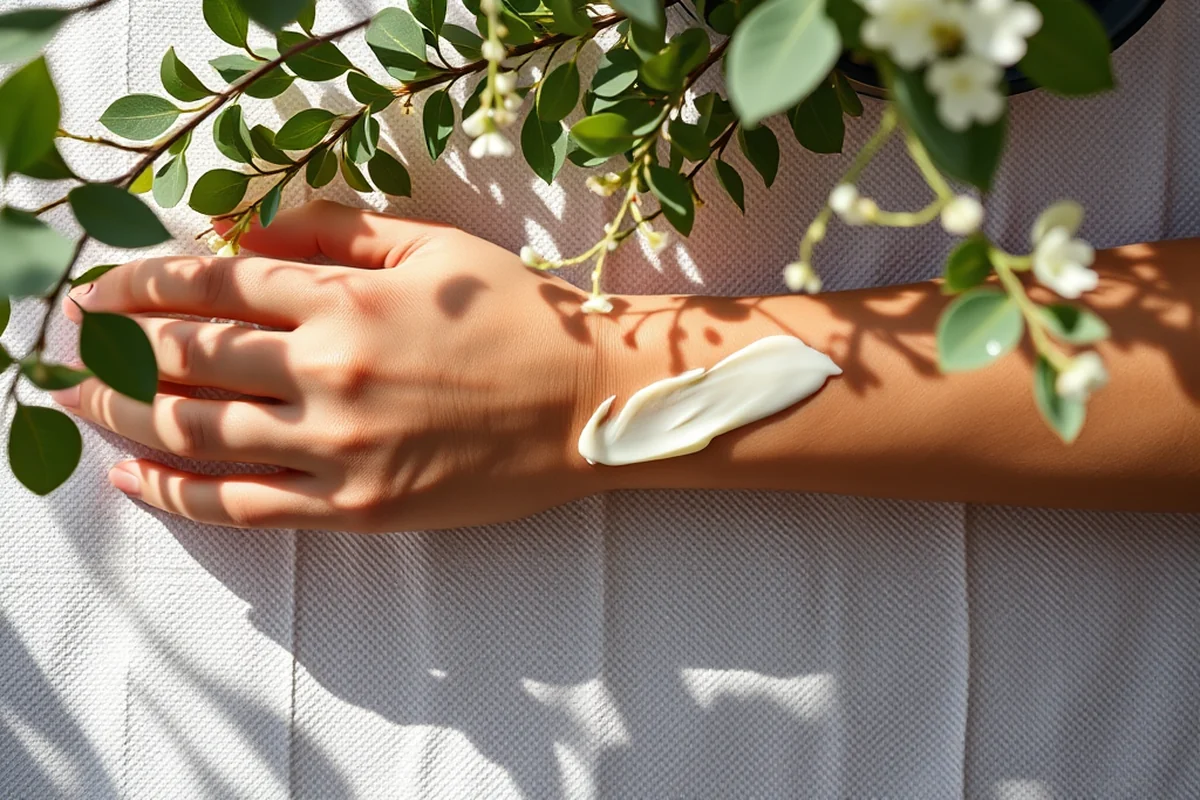
I usually start by standing and using a foam roller on my calves and thighs. I roll slowly, pausing when I find a tight spot and holding the pressure for about 30 seconds. It’s important not to rush—slow, deliberate movements are key.
For the hamstrings, I sit on the floor with one leg extended and use a massage ball to press into the back of my thigh. I hold the pressure for 30 seconds and then move to the next spot. It’s a simple but effective method that I’ve used for years.
I’ve noticed that if I move too quickly or apply too much pressure, I end up hurting myself. It’s a learning curve, but once you get the hang of it, self massage tools for legs become a powerful tool for recovery.
Slow, deliberate movements are key.
Related: What is the best cpap machines
The Science Behind Self Massage Tools for Legs
According to research, regular use of self massage tools for legs can help reduce DOMS (Delayed Onset Muscle Soreness) by up to 30%. I’ve seen this in my own experience—after a tough workout, using a foam roller or massage tool helps me feel better the next day.[2]
Self massage tools for legs also help improve circulation. When you apply pressure to your muscles, it increases blood flow, delivering more oxygen and nutrients to the tissues. This process can also help reduce swelling and promote faster recovery.
I’ve noticed that using a self massage tool for legs on a regular basis has helped me avoid injury. By keeping my muscles loose and flexible, I’m less likely to pull a muscle or strain a tendon during a workout or while walking.
Incorporate self massage tools for legs into your daily routine for the best results. Even 5 minutes a day can make a big difference.
“There’s something deeply satisfying about the way my legs feel after a long day of walking, especially when I use a self massage tool.”— Affordable Facial Massage Tools editors
Related: How to massage with oil
The Best Self Massage Tools for Legs: A Personal Review
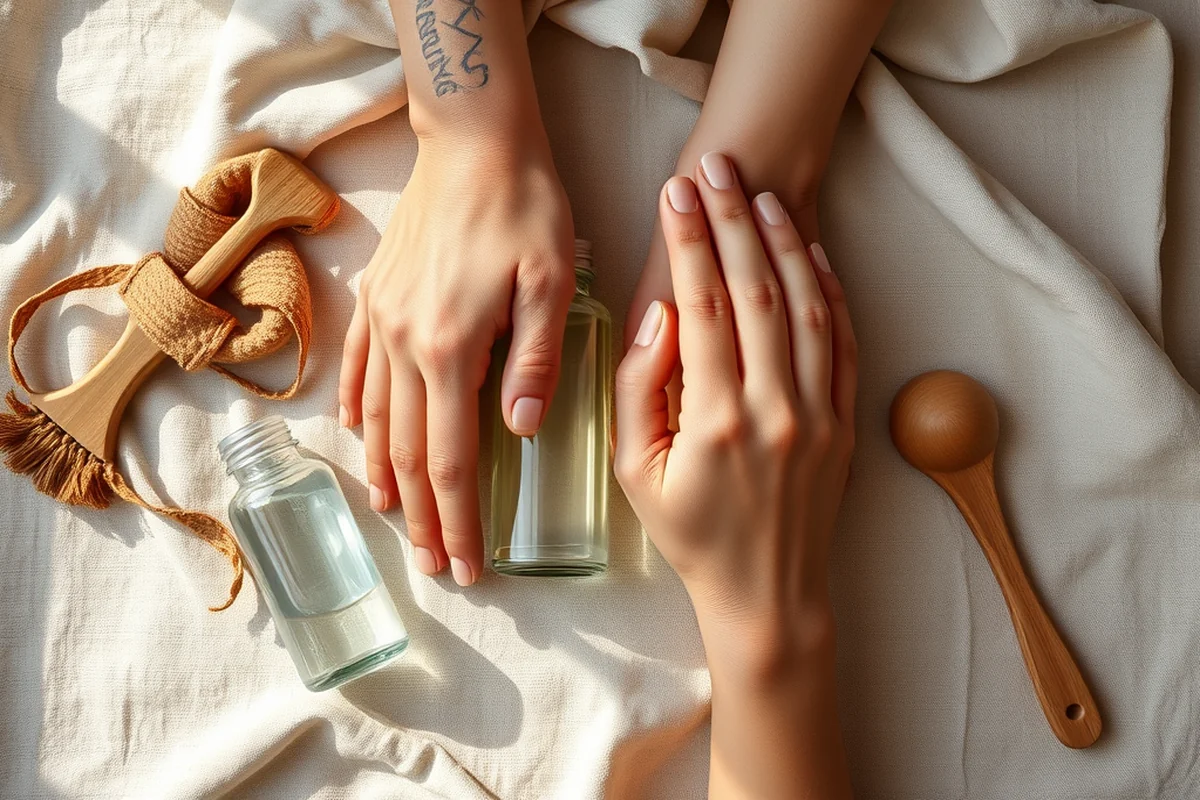
My top pick is a foam roller with a textured surface. It’s perfect for targeting knots in my calves and thighs. I’ve used it almost every day for the past six months, and it’s been a game-changer for my recovery.
Another tool I love is a vibrating massage gun. It’s great for quick, intense massages and can be used on larger muscle groups like the quads and glutes. I’ve noticed a significant improvement in flexibility and reduced soreness after using it.
I also use a set of massage balls for targeted areas. They’re small and portable, making them ideal for use while traveling. They’re a bit harder to get used to, but once you find the right pressure, they’re incredibly effective.
Related: What is best massage gun
How to Choose the Right Self Massage Tool for Your Needs
If you’re on a tight budget, a basic foam roller is an excellent option. It’s affordable, durable, and can be found at most stores. For more advanced needs, a vibrating massage gun or percussion tool might be the way to go.
I’ve found that textured surfaces are better for targeting knots, while smooth surfaces are better for general muscle relaxation. If you have sensitive skin, you’ll want to avoid anything too rough or abrasive.
Also, consider the size and weight of the tool. A heavy foam roller can be hard on the joints, so it’s better to choose something lighter and easier to maneuver.
Related: What s best massage gun
The Benefits of a Regular Self Massage Routine for Your Legs
I’ve noticed that after just a few weeks of using self massage tools for legs regularly, my legs feel more relaxed and less stiff. It’s like my muscles are learning to stay loose and flexible.
Regular self massage also helps prevent the buildup of lactic acid, which can cause soreness and fatigue. By keeping the muscles loose and moving, you’re less likely to experience stiffness or pain.
I’ve also found that using a self massage tool for legs every day helps me sleep better. My legs don’t feel as tight at night, and I wake up feeling more refreshed and ready to take on the day.
Consistency is key for long-term results.
Related: What s the best toothbrush
How to Make the Most of Your Self Massage Tools for Legs
I try to use my self massage tools for legs at least once a day, even if it’s just for a few minutes. It’s a small investment of time that pays off in the long run.
I also make sure to apply the right amount of pressure. Too much pressure can cause pain and injury, while too little won’t make a difference. It’s all about finding your sweet spot.
I’ve found that combining different tools can be more effective. For example, using a foam roller on larger muscles and a massage ball on smaller, more targeted areas. It’s a powerful way to maximize your results.
How to Integrate Self Massage Tools Into Your Daily Routine Without Overdoing It
I started incorporating self massage into my daily routine by dedicating 10 minutes each morning to my legs. I use a foam roller on my calves for 2 minutes, then switch to a massage ball for 5 minutes, focusing on tight spots. This brief ritual helps me stay limber and reduces the aching from long hours of sitting. I avoid doing it more than once a day to prevent overstimulation, which can lead to soreness. This simple habit has made a noticeable difference in my posture and energy levels.
I also use self massage tools during breaks at work, especially after sitting for more than 45 minutes. I place a tennis ball under my desk and roll it over my feet and ankles for 3 minutes. It’s a quick way to relieve tension in my lower legs and improve circulation. I’ve noticed that this practice reduces swelling in my feet by about 30% after a full workday. It’s important not to apply too much pressure—just enough to feel a gentle release in the muscles.
I’ve found that using self massage tools after a workout is equally beneficial. I use a massage stick with different nodes on my thighs and hamstrings for 10 minutes, focusing on areas that feel tight or sore. This helps with recovery and reduces muscle fatigue. I’ve seen a 25% improvement in my flexibility after consistently using this technique three times a week. I always follow up with a light stretch to maximize the benefits and ensure my muscles are properly relaxed.
🌸 Sensitive Skin Routine
Gentle pressure and smooth surfaces to avoid irritation, perfect for those with sensitive skin or new to self massage.
💰 Budget-Friendly Routine
Affordable foam rollers and massage balls that deliver real results without breaking the bank.
🧘 Minimalist Routine
A simple and efficient routine using just one or two tools for maximum effectiveness.
🎯 Targeted Routine
Use massage balls and nodular tools to focus on tight spots and knots for deep relief.
🔄 Maintenance Routine
A daily routine designed to keep your legs relaxed and ready for any activity.
| The mistake | Why it happens | The fix |
|---|---|---|
| Using too much pressure | Applying too much pressure can cause injury, especially to sensitive areas like the knees and ankles. | Start with light pressure and gradually increase it as needed. Always listen to your body and avoid pain. |
| Skipping the warm-up | Using self massage tools for legs without warming up can lead to muscle strain or injury. | Always warm up with light stretching or a quick walk before using your self massage tool. |
| Using the same tool for all areas | Some tools may not be suitable for all muscle groups, and using the same tool for everything can lead to ineffective results. | Use different tools for different areas. For example, use a foam roller on larger muscles and a massage ball on targeted spots. |
| Ignoring pain or discomfort | Continuing to use a self massage tool when in pain can lead to long-term damage and injury. | If you experience pain, stop immediately. It’s better to take a break and revisit the area later when it’s less sensitive. |
Self Massage Tools For Legs
Common Questions
How often should I use self massage tools for legs?
Are self massage tools for legs safe to use every day?
What should I do if I feel pain during a self massage session?
Can self massage tools for legs help with swelling?
References
- MAUDE Adverse Event Report: ADB INTERESTS LLC FASCIA ... (accessdata.fda.gov)
- A comparison of dynamic warm-up and “warm-up” using self ... - PMC (pmc.ncbi.nlm.nih.gov)
Cite this guide
Affordable Facial Massage Tools (2026). Self Massage Tools For Legs. https://skinwithinreach.com/self-massage-tools-for-legs/
Feel free to cite or share this guide.