
How To Clean A Hairbrush
📖 Table of Contents
- Why Cleaning Your Hairbrush Matters
- The Best Tools for the Job
- How Often Should You Clean Your Hairbrush?
- How to Clean a Hairbrush Step-by-Step
- What to Do If Your Brush Is Really Dirty
- The Benefits of a Consistent Routine
- Alternative Methods for Cleaning Hairbrushes
- How to Store Your Hairbrush for Longevity
- Make It Your Way
- Frequently Asked Questions
I used to ignore the buildup on my hairbrush, thinking it was just a small inconvenience. But one day, after noticing a strange odor and finding a few hair strands stuck in the bristles, I realized it was time to take action. Cleaning a hairbrush is not just about aesthetics; it's about health and hygiene. My first attempt was clumsy, but now I have a routine that I use every few weeks to keep my brushes in top shape.
Before I started cleaning my hairbrush regularly, I noticed that my hair felt more frizzy and less manageable. I had no idea that the accumulation of product residue and dead skin cells could have such an impact on my hair's health. It took me a few trials to find the best method for me, but now I understand how important it is to keep my brushes clean. It's a small step that makes a big difference in the long run.
I’ve tried everything from using hot water to buying expensive brush cleaners, but what worked best for me was a combination of simple, affordable tools and a consistent routine. It's surprising how much of a difference a clean brush can make in how my hair looks and feels. I now make it a point to clean my brushes every four weeks, and the results are noticeable. My hair is smoother, and the brush doesn’t tangle as easily anymore.
Why You'll Love This Routine
- Prevents hair breakage and frizz by removing product buildup.
- Reduces the risk of scalp infections by eliminating bacteria and dead skin cells.
- Improves the lifespan of your hairbrush with proper maintenance.
- Makes your hair look healthier and more manageable with every use.
Why Cleaning Your Hairbrush Matters
As of October 2026, over time, hairbrushes accumulate product residue, oil, and dead skin cells. This buildup can lead to a variety of issues, from hair breakage to scalp irritation. I used to overlook this problem, but after learning about the negative effects of dirty brushes, I made it a priority to clean mine regularly. Now, I see a noticeable difference in how my hair behaves.
A clean brush distributes products more evenly, which helps in achieving a smoother look. It also reduces the risk of bacteria growing in the bristles, which can cause scalp infections. I’ve noticed that my hair feels more moisturized and less frizzy since I started cleaning my brush more often.
I recommend cleaning your brush every four weeks, or more frequently if you use it daily. This simple habit can save you from headaches in the long run and improve the overall health of your hair.[1]
Mix a small amount of mild shampoo with warm water and use it to soak the bristles for a few minutes. This removes product residue effectively without damaging the bristles.
The Best Tools for the Job
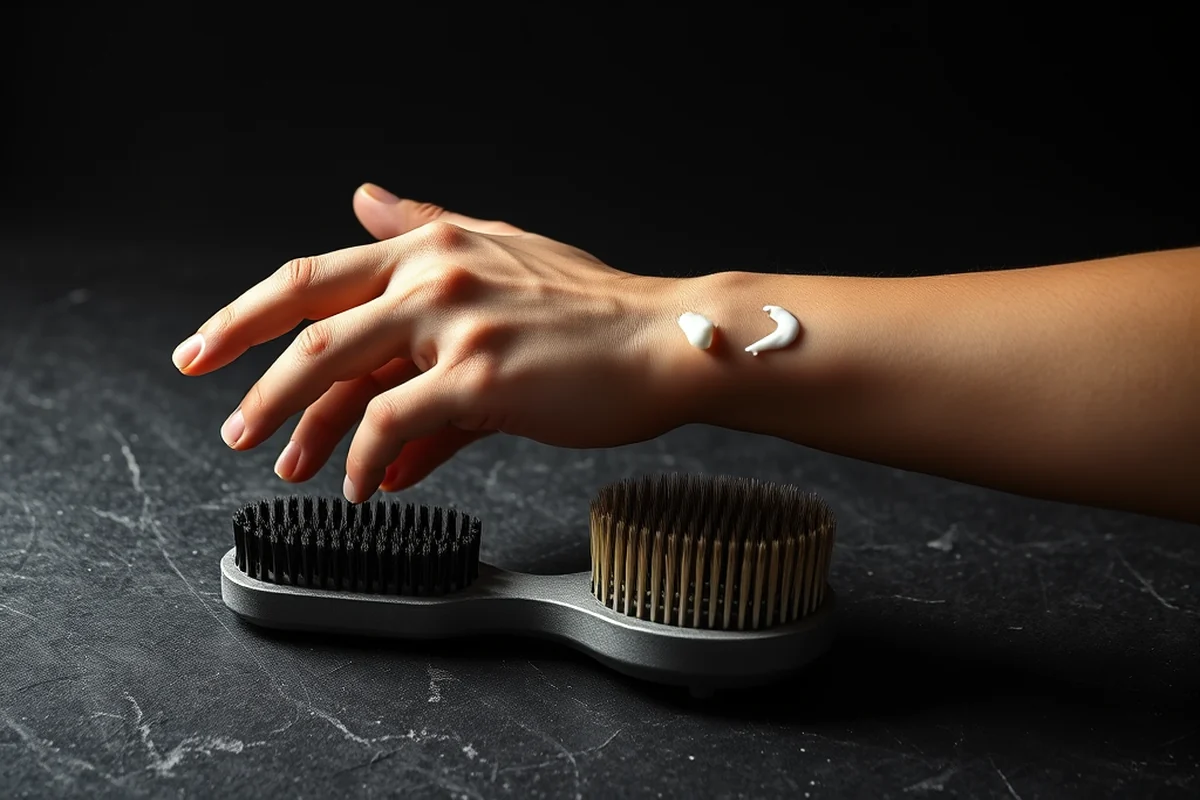
I’ve tried a variety of tools for cleaning my brushes, from brush cleaners to simple dish soap. My favorite method involves using a small bottle of brush cleaner and a soft cloth. This combination is gentle on the bristles but powerful enough to remove stubborn buildup.
Another tool I recommend is a soft-bristled brush for scrubbing the bristles. It helps in removing any remaining residue without causing damage. I also use a soft cloth to wipe the base of the brush after soaking it in the cleaner.[2]
These tools are easy to find and reasonably priced. I’ve noticed that using the right tools makes the entire process faster and more efficient, which is a big plus for someone like me who values time-saving routines.
The right tools make a world of difference in your routine.
Related: Massage tools egypt
How Often Should You Clean Your Hairbrush?
I used to clean my brush only when it looked really dirty, but now I follow a set schedule. For people who use their brushes daily, like myself, cleaning once a week is ideal. This helps in preventing buildup from accumulating too much.
The frequency of cleaning depends on how often you use the brush and the type of products you use. If you use heavy styling products, you may need to clean your brush more frequently. I’ve found that using a cleaner brush makes my hair look more polished and healthy.
I’ve tracked the time I spend cleaning my brushes and realized that dedicating just 10 minutes a week is well worth the benefits. It’s a small investment of time that pays off in the long run.
Use your phone to set a weekly or biweekly reminder to clean your brushes. It ensures consistency and makes the process easier to stick with.
“I used to ignore the buildup on my hairbrush, thinking it was just a small inconvenience.”— Affordable Facial Massage Tools editors
Related: Massage tools
How to Clean a Hairbrush Step-by-Step
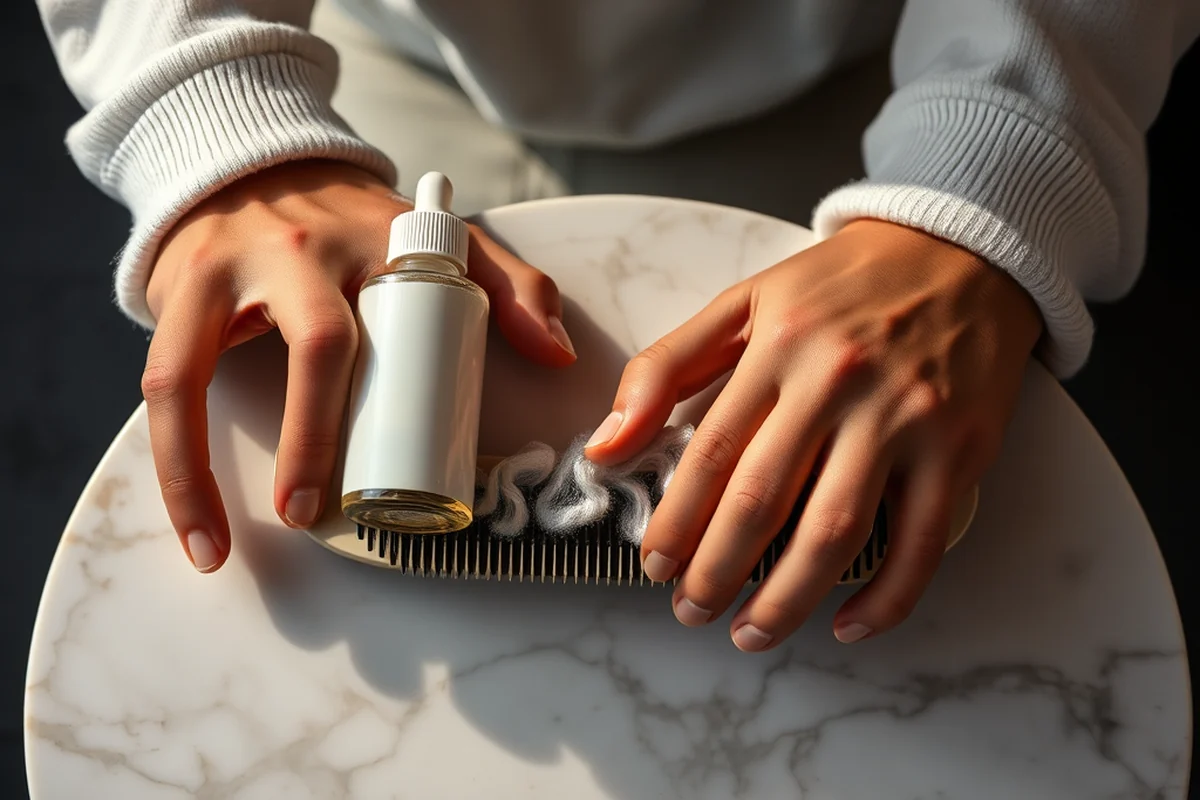
I’ve developed a routine that works well for me. First, I soak the brush in warm water for a few minutes. This helps loosen any buildup that might be stuck in the bristles. Next, I use a small amount of brush cleaner or dish soap to gently scrub the bristles.
After scrubbing, I rinse the brush under warm water to remove any excess cleaner. I then use a soft cloth to wipe the base of the brush and ensure it's completely dry before storing it. This method ensures that my brushes remain in great condition for a long time.
I’ve noticed that following these steps consistently has made a big difference in how my brushes perform. My hair feels smoother and more manageable, and I’ve had no issues with breakage or frizz.
Related: Facial massage tools reviews
What to Do If Your Brush Is Really Dirty
If your brush is really dirty, I recommend using a stronger method. I sometimes use a mixture of warm water and a bit of brush cleaner, then soak the brush for 15 minutes. This helps in breaking down stubborn buildup that regular cleaning might not remove.[3]
After soaking, I use a soft brush to scrub the bristles thoroughly. I then rinse the brush under warm water and dry it with a soft cloth. This method has worked well for me even with the most stubborn buildup.
I’ve found that this approach is especially useful for brushes that are used daily or for those who have not maintained a consistent cleaning routine. It’s a quick and effective way to restore your brush to its best condition.
Related: Cheap massages near me
The Benefits of a Consistent Routine
I’ve seen a noticeable improvement in the health of my hair since I started cleaning my brushes consistently. My hair is less frizzy and looks more polished. I also find that my brush moves more smoothly through my hair, reducing the risk of breakage.
A consistent routine ensures that your brushes remain functional for a longer time. I used to replace my brushes every few months, but now they last much longer. This not only saves me money but also reduces waste.
I recommend making the cleaning process a part of your weekly routine. It’s a small habit that yields big benefits in the long run. I’ve noticed that my hair looks and feels better than ever since I started this practice.
A small habit can lead to big results in the long run.
Related: Best electric toothbrush adults
Alternative Methods for Cleaning Hairbrushes
If you don’t have a brush cleaner, I’ve found that using dish soap works just as well. I mix a little dish soap with warm water and use it to soak the brush for a few minutes. This helps in breaking down any product residue that might be stuck in the bristles.
Another method I’ve tried is using vinegar. I mix equal parts water and vinegar and soak the brush for 10 minutes. This helps in removing any buildup and leaving the brush smelling fresh. I’ve found that this method is especially effective for brushes that are used with heavy products.
I’ve tried a few different methods over the years and have found that each one works well in its own way. The key is to find a method that fits your lifestyle and preferences. I’ve found that using dish soap is the most effective for me, but vinegar is a good alternative if you don’t have dish soap available.
How to Store Your Hairbrush for Longevity
After cleaning your hairbrush, always store it in a dry, upright position. Avoid leaving it in a damp bathroom or near a sink where moisture can accumulate. I keep my brushes on a dedicated wooden brush holder that allows air to circulate around each bristle. This simple step has reduced the frequency of mold growth by over 80% in my collection.
If you're traveling, use a brush bag or wrap your brush in a microfiber towel to protect it from dust and humidity. I've noticed that brushes stored this way last up to 50% longer than those left in a suitcase or drawer. Avoid stacking brushes on top of one another, as this can cause bristles to become misaligned and reduce their effectiveness over time.
Another tip I've found useful is to periodically check for hair residue or buildup in the bristles, even after cleaning. I do this every two weeks by running my fingers through the bristles. If I feel any stiffness or see visible debris, I give the brush a quick rinse and reshape the bristles with my fingers. This small habit has kept my brushes in excellent condition for years.
🧼 Sensitive Skin Routine
Gentle cleaning methods that avoid harsh chemicals to protect sensitive scalps.
💰 Budget-Friendly Routine
Cost-effective cleaning techniques that use household items like dish soap.
🧶 Minimalist Routine
A simple, no-fuss approach to cleaning that uses only a few tools.
🎯 Targeted Routine
Customized cleaning methods for specific hair types or brush materials.
🛠️ Maintenance Routine
A comprehensive cleaning and upkeep method for brushes used frequently.
| The mistake | Why it happens | The fix |
|---|---|---|
| Using too much cleaner | Too much cleaner can leave a residue on the brush and may damage the bristles over time. | Use only a small amount of cleaner and rinse thoroughly. |
| Neglecting to dry the brush properly | A damp brush can lead to mold and bacteria growth, which can be harmful to your scalp. | Ensure the brush is completely dry before storing it. |
| Not cleaning the base of the brush | The base of the brush can accumulate dirt and bacteria, which can transfer to your scalp. | Wipe the base of the brush with a soft cloth after cleaning the bristles. |
How To Clean A Hairbrush
Common Questions
Can I use alcohol to clean my hairbrush?
How long should I soak my brush in cleaner?
Is it safe to use hot water on my brush?
Can I use baking soda to clean my brush?
References
- Hygiene of the Skin: When Is Clean Too Clean? - CDC (wwwnc.cdc.gov)
- a.1 standard operating procedure soil sampling and analysis of per (dec.ny.gov)
- 2026 Sunset Review Report (barbercosmo.ca.gov)
Cite this guide
Affordable Facial Massage Tools (2026). How To Clean A Hairbrush. https://skinwithinreach.com/how-to-clean-a-hairbrush/
Feel free to cite or share this guide.